
I still remember the chill of the morning air when I stepped off the overnight bus from Tokyo. I was 23, on my first-ever solo trip, and honestly? I wasn’t entirely sure what I was looking for.
Like most people — even those of us who’d been living in Japan — Kanazawa always felt like a “someday” destination. Kenroku-en Garden was famous, sure. But beyond that? I had a vague sense of a quiet, slightly rural city that you might pass through on the way to somewhere else.
My actual mission was simple: I wanted to see the Swimming Pool at the 21st Century Museum of Contemporary Art. That was it. That was the whole plan.
What I found over those 36 hours — visiting that museum twice, because once clearly wasn’t enough — was a city that completely rearranged my mental map of Japan. Not Kyoto. Not Tokyo. Something different. A place where Edo-period teahouse districts share the same postcode as buildings by SANAA and Kengo Kuma, and somehow neither feels out of place.
If you’ve done Kyoto and Kamakura and you’re looking for that perfect blend of old Japan and genuine contemporary culture — without the crowds, without the feeling that the whole city is performing for tourists — Kanazawa needs to be your next stop.
✦ Quick Take
- The vibe: Kyoto’s historic charm, but modernised, quieter, and somehow more itself.
- The draw: A world-class contemporary art and architecture scene woven directly into samurai-era streets.
- The verdict: Ideal for slow travel — where you can actually absorb the Japanese concept of ma (the art of meaningful pause) without being elbowed by tour groups.
Architecture That Actually Makes You Stop Walking
In Kanazawa, I noticed something that took me a moment to put into words: the architecture doesn’t feel like it’s trying. It honours the past without being enslaved to it, and it embraces the contemporary without being flashy about it. The two coexist quietly, and that restraint is exactly what makes it so compelling.
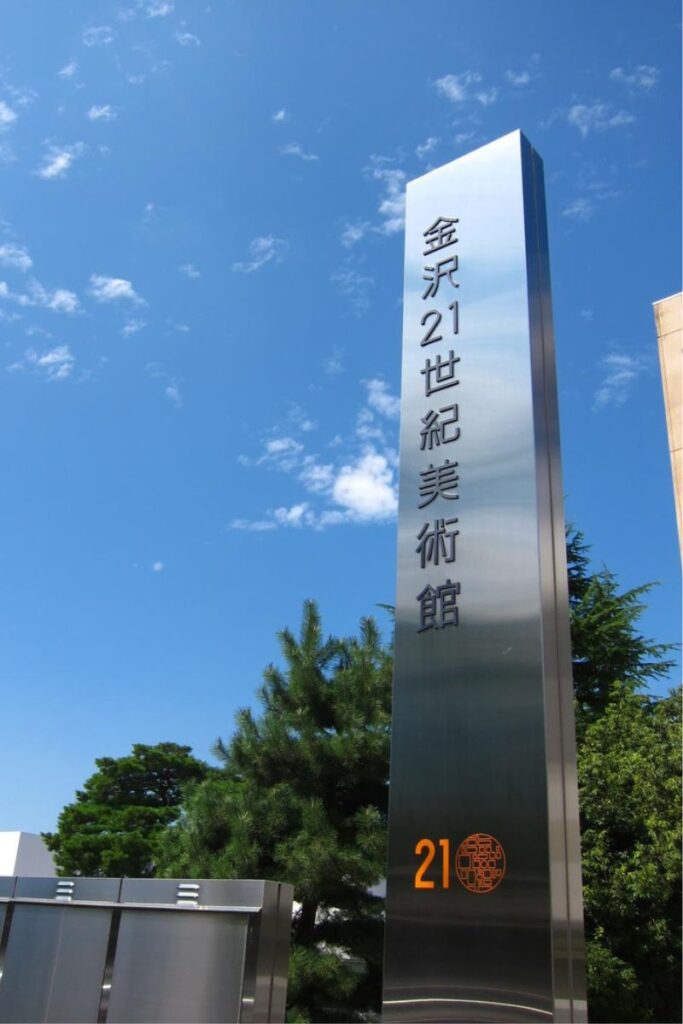
Kanazawa 21st Century Museum of Contemporary Art (金沢21世紀美術館)
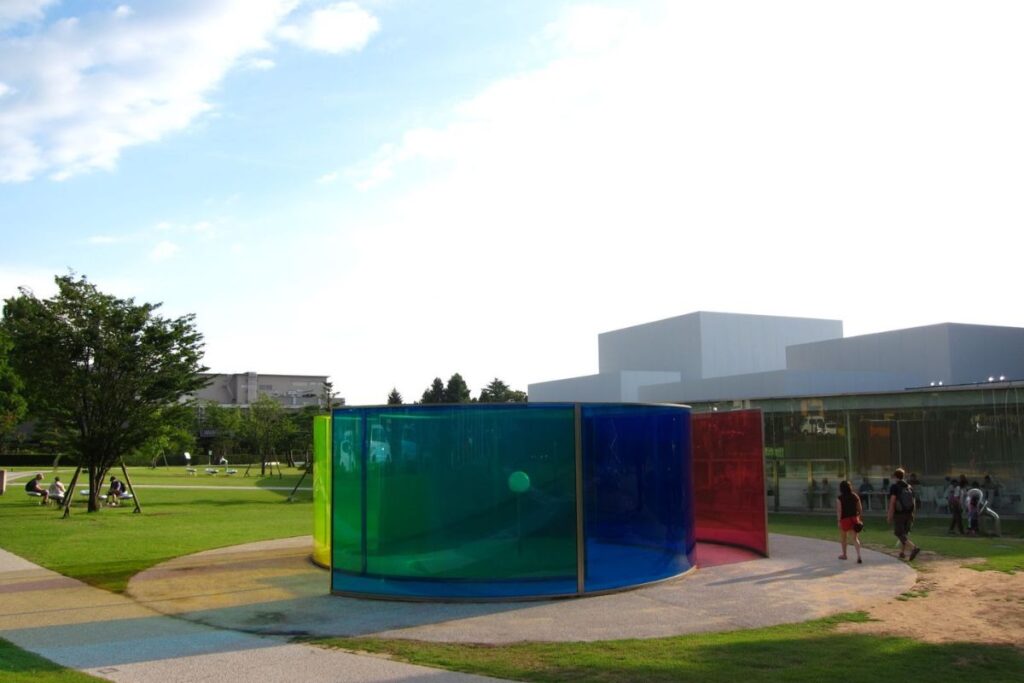
Designed by SANAA (Kazuyo Sejima and Ryue Nishizawa), this is the building that brought me to Kanazawa — and it’s worth every bit of its reputation.
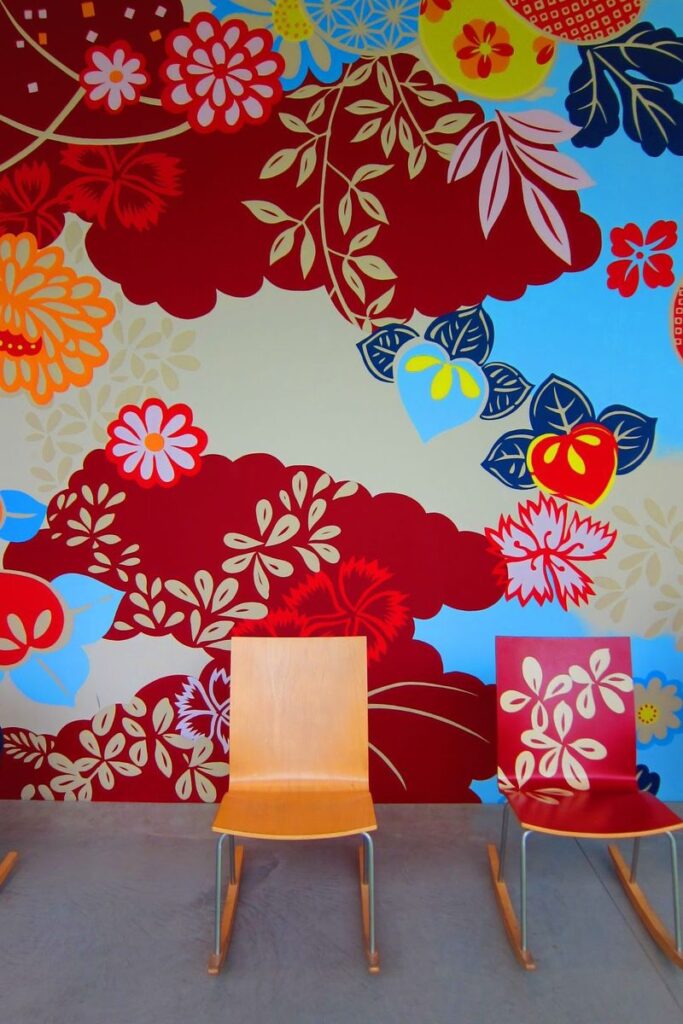
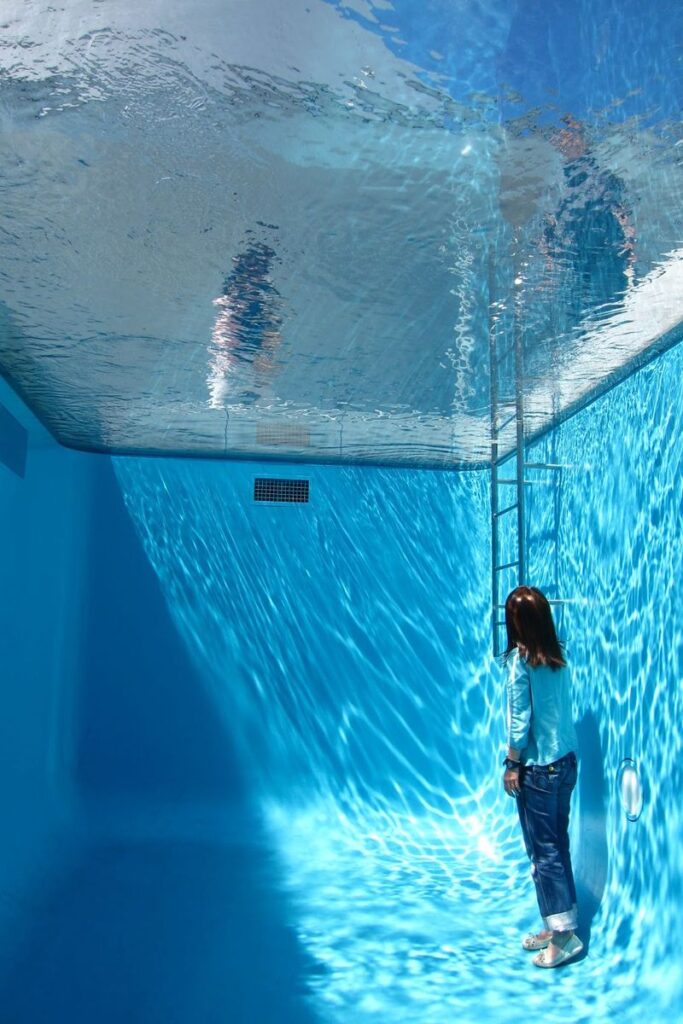
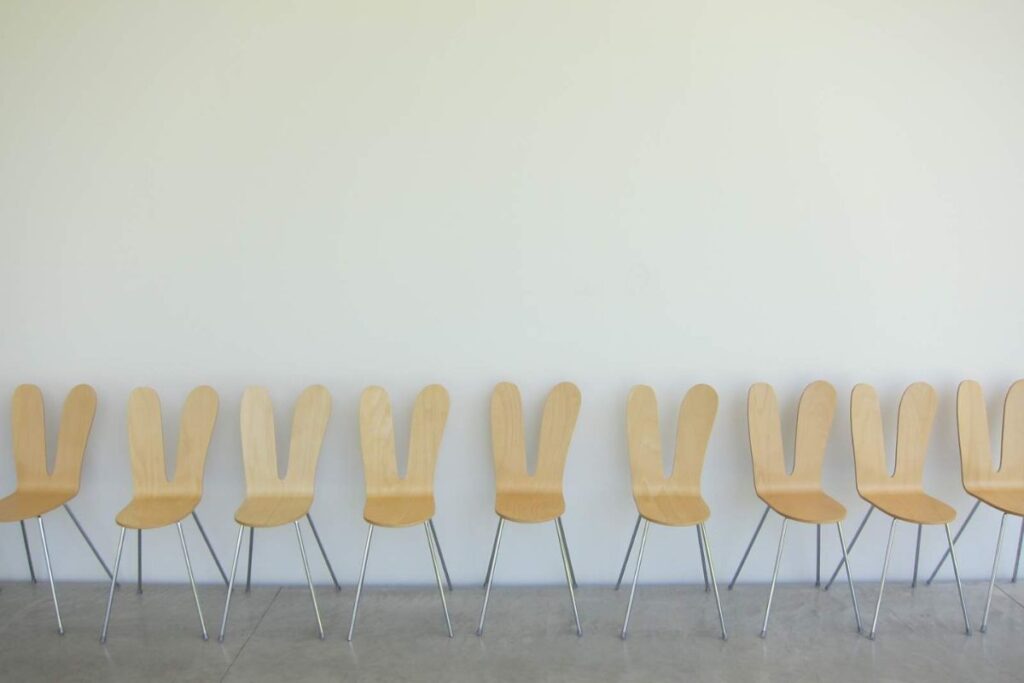
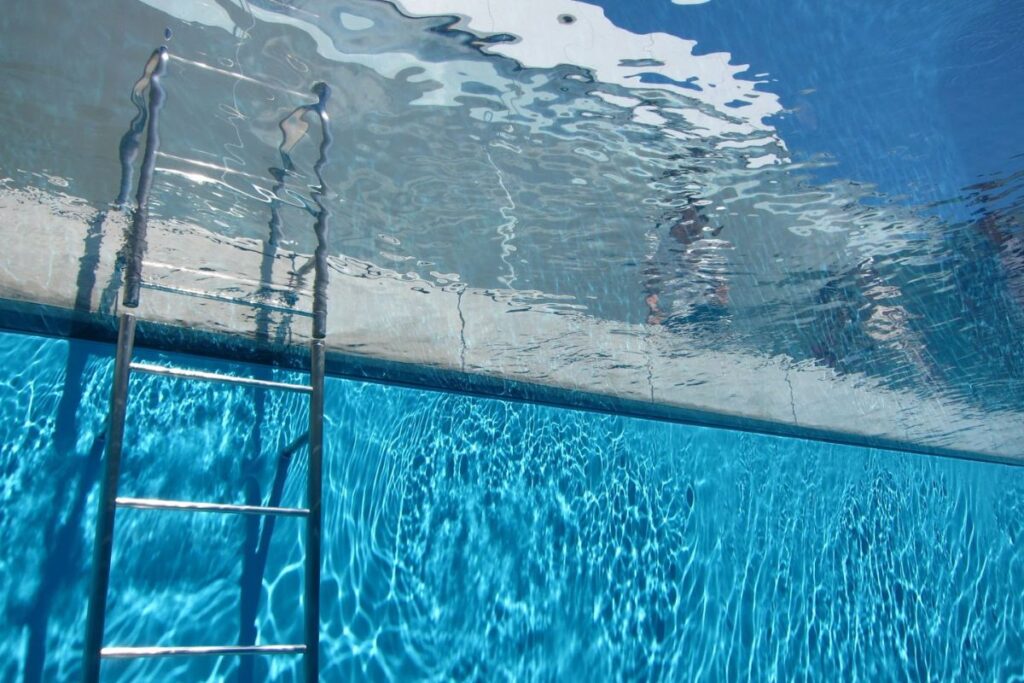
The museum is a perfect glass disc sitting in the middle of the city, with no defined front or back. You can enter from any direction, which feels like a quiet statement: art is for everyone, from wherever you’re coming from. Inside, the galleries are bright and unpretentious, and the permanent collection includes Leandro Erlich’s Swimming Pool — the piece where you look up through a layer of water at visitors standing above you. You’ve almost certainly seen photos. It’s better in person.
I went on day one and then went back again before my bus home. No regrets whatsoever. Also: don’t skip the café. The desserts are designed with the same attention to detail as the art, which feels completely intentional.
Kanazawa Architecture Museum (谷口吉郎・吉生記念 金沢建築館)
I haven’t made it here yet — but it’s firmly at the top of my list for next time, and here’s why.
While wandering the city streets on my first visit, I found myself stopping in front of the Kanazawa City Tamagawa Library — a building designed by Yoshio Taniguchi, built on the very site where his father, architect Yoshiro Taniguchi, grew up. Low entrance eaves that bow to the surrounding streetscape, a glass atrium with fine stainless steel louvres, granite walls in a warm tone that shifts with the light. It stopped me completely, and I didn’t even know what I was looking at.
That encounter made the Architecture Museum — dedicated entirely to the Taniguchi family legacy — immediately jump onto my radar. The permanent exhibition recreates two rooms from Yoshiro’s most celebrated work, the Japanese-style annex of the State Guest House in Akasaka, Tokyo, reproduced at full scale. For anyone interested in the quieter, more considered side of Japanese architecture, this feels like essential viewing.
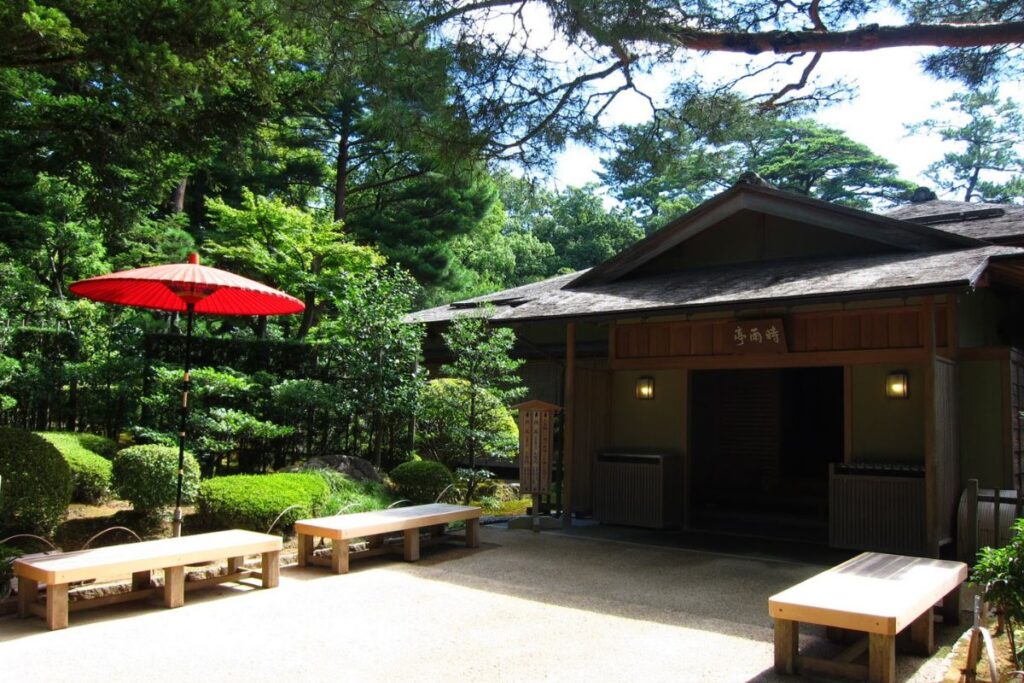
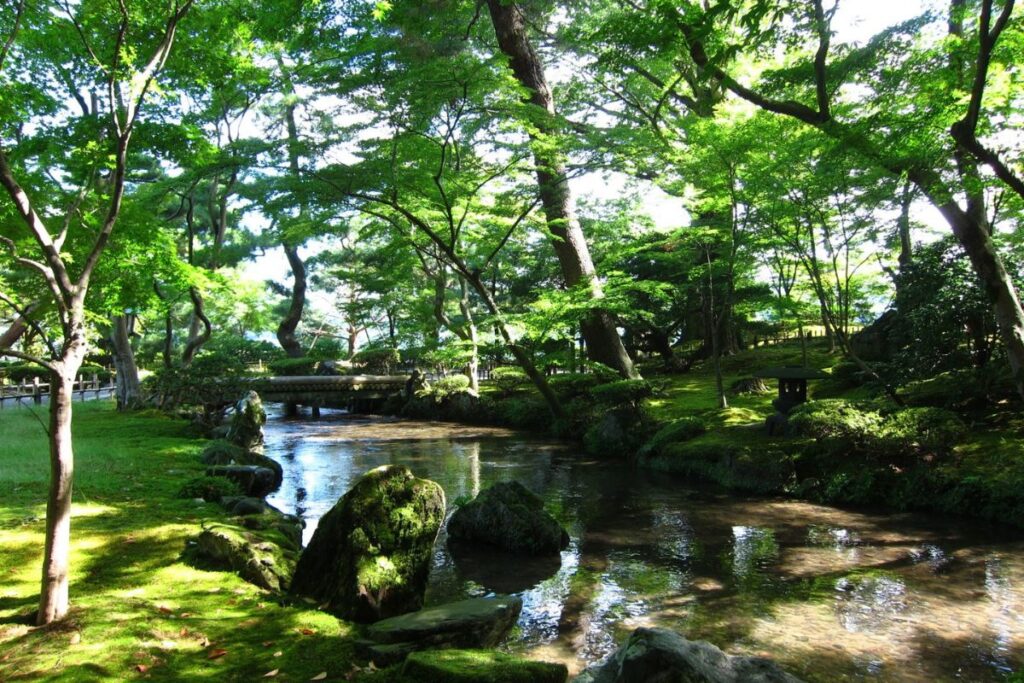
Kenroku-en Kenjotei Tea House (兼六園茶屋 見城亭)
Even the traditional spaces in Kanazawa have had a thoughtful reinvention. This historic tea house, originally established in the Taisho period, was renovated by Kengo Kuma, who applied a traditional Hokuriku carpentry technique called sashimono-zukuri — a kind of precision joinery historically used in the region’s snow-heavy architecture — to open up the interior into a soaring, airy space while keeping the original structural bones.
Go at night if you can. The building lit against the dark is genuinely beautiful in a way that photographs don’t fully capture.
National Crafts Museum (国立工芸館)
Japan’s only museum dedicated entirely to modern and contemporary craft and design — and it relocated to Kanazawa, which is the only city where that decision makes complete sense. Essential context for understanding what makes this place tick. More on that below.
The Three Chaya Districts: Which One, When, and Why It Matters
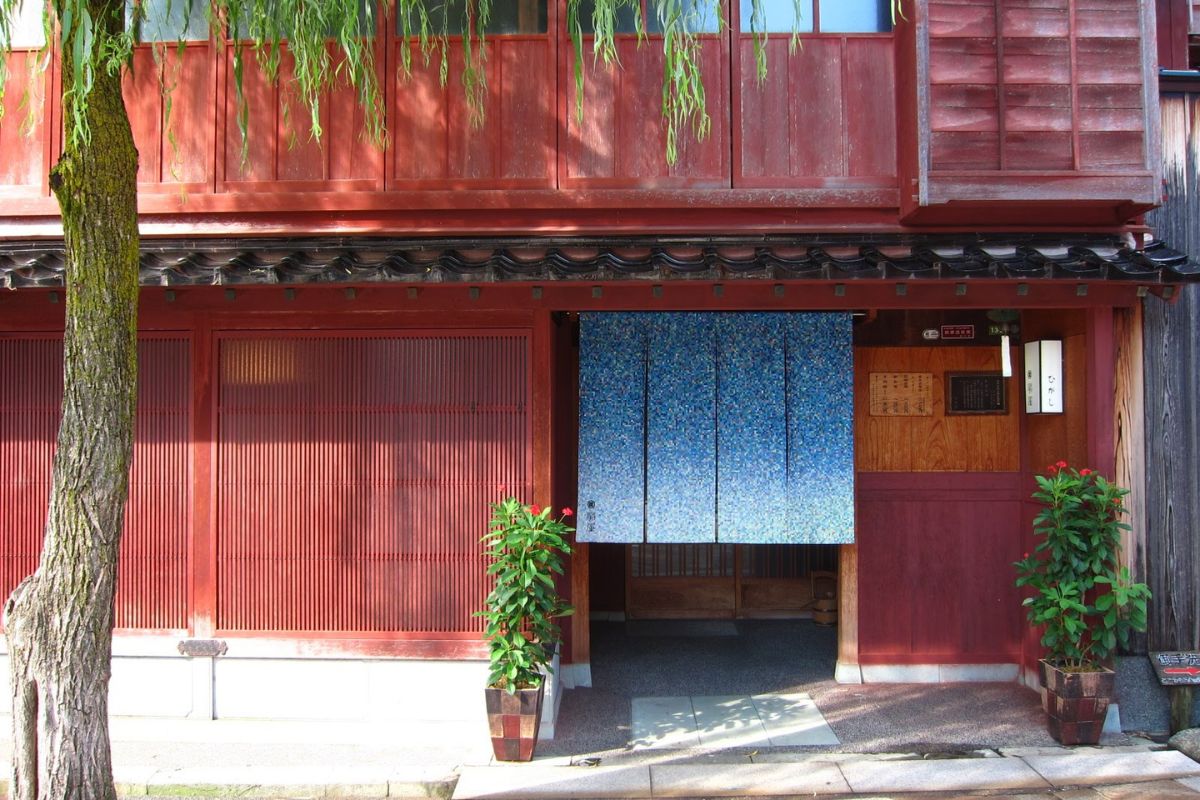
Kanazawa has three chaya (teahouse) districts, all dating to the Edo period, all designated preservation areas. Most guides describe them as roughly interchangeable. They’re not. They each have a completely different character, and the order and timing of how you visit makes a real difference.
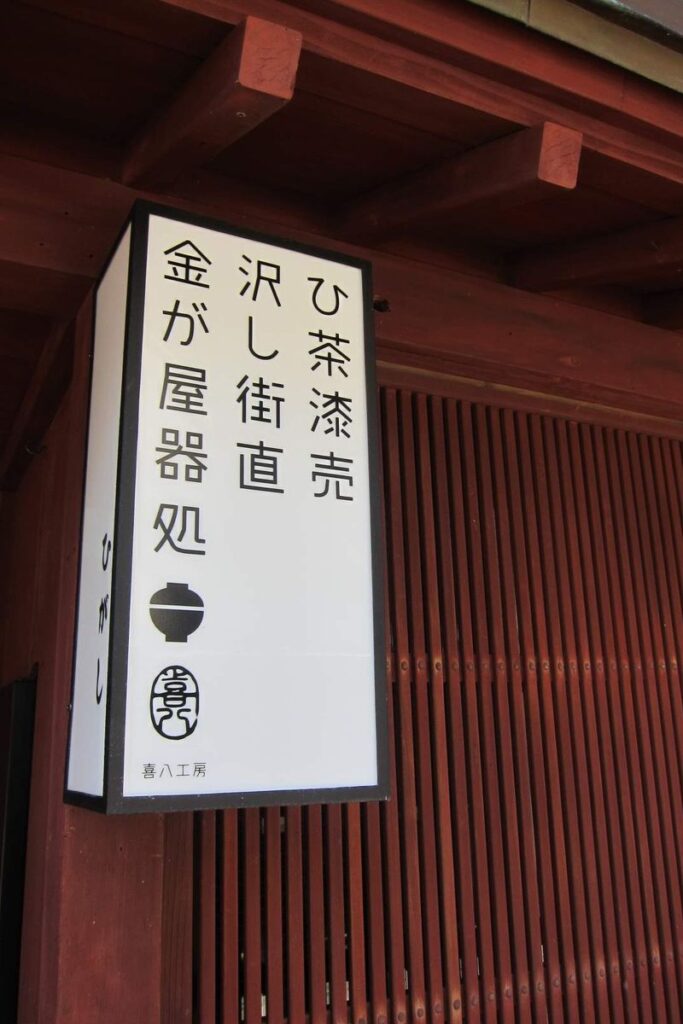
Higashi Chaya District (ひがし茶屋街)
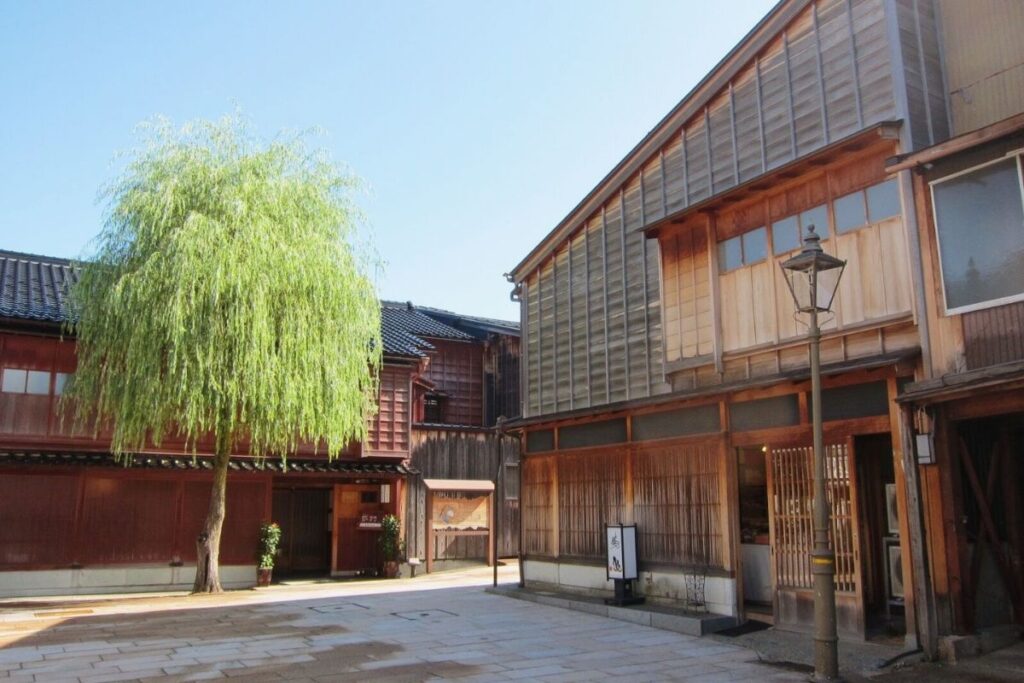
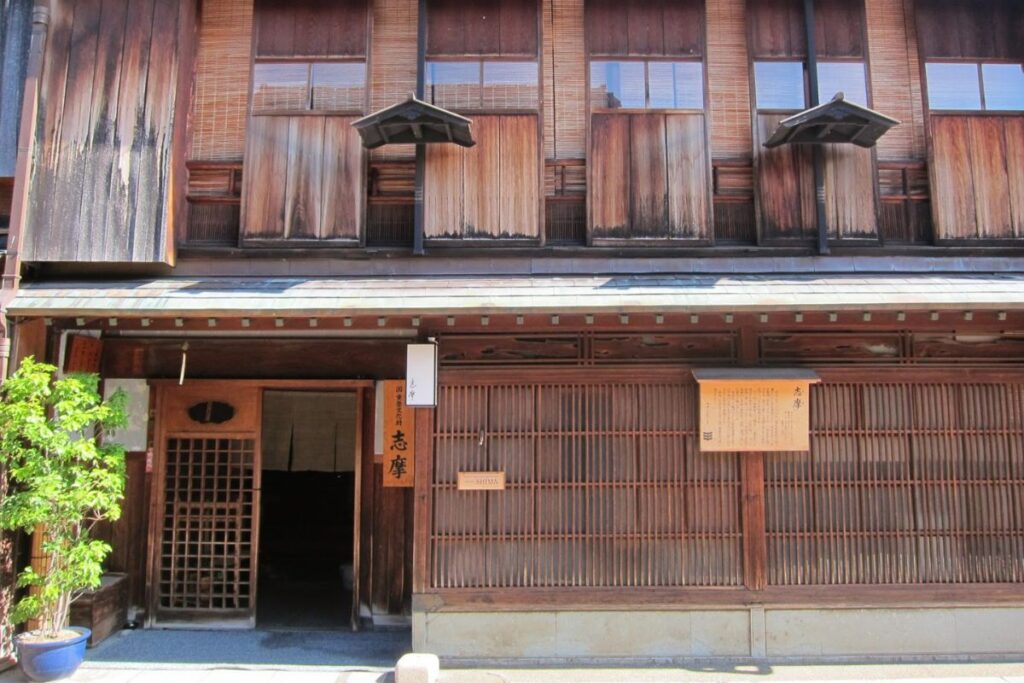
The largest of the three, and a National Important Cultural Property. The architectural signature here is the kimushiko — a dense wooden lattice screen covering the full facade of each building, which filtered light and sound while allowing the inhabitants to observe the street without being seen. Very Edo-period in its priorities.
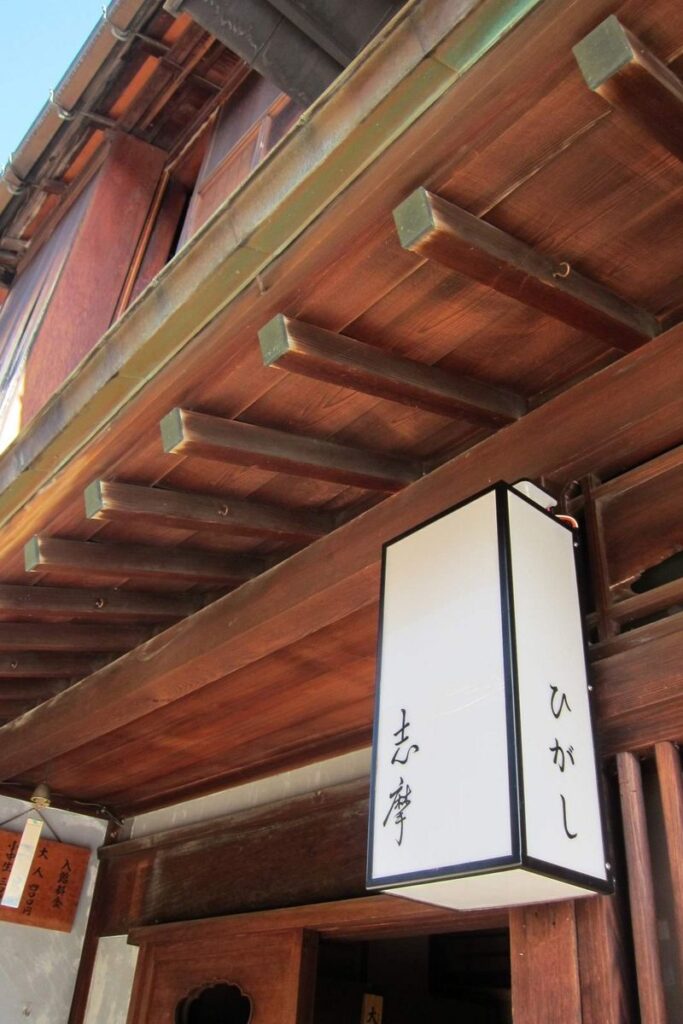
The landmark here is Shima, a tea house that has been standing since 1820 and is preserved almost exactly as it was — it’s a designated National Important Cultural Property in its own right. If you can go inside, do. Walking through Higashi early in the morning, before the tour groups arrive, is the closest thing to genuine time travel I’ve experienced in Japan.
Nishi Chaya District (にし茶屋街)
Smaller, quieter, and slightly off the main tourist loop — which is exactly why I’d prioritise it. Nishi has historically had the highest concentration of geiko (the Kanazawa term for geisha) of the three districts, and the atmosphere of the hanamachi — the “flower town,” as geisha districts are traditionally known — feels most alive here.
I recommend going first thing in the morning. I had the streets almost entirely to myself for photos. The stillness of it was extraordinary. And if you linger into the late afternoon, you may catch a geiko moving between engagements. It happens. It’s exactly as quietly astonishing as it sounds.
Kazuemachi Chaya District (主計町茶屋街)
The smallest and most recent of the three — established in the Meiji period rather than the Edo — and just a five-minute walk from Higashi, so easy to combine into one half-day.
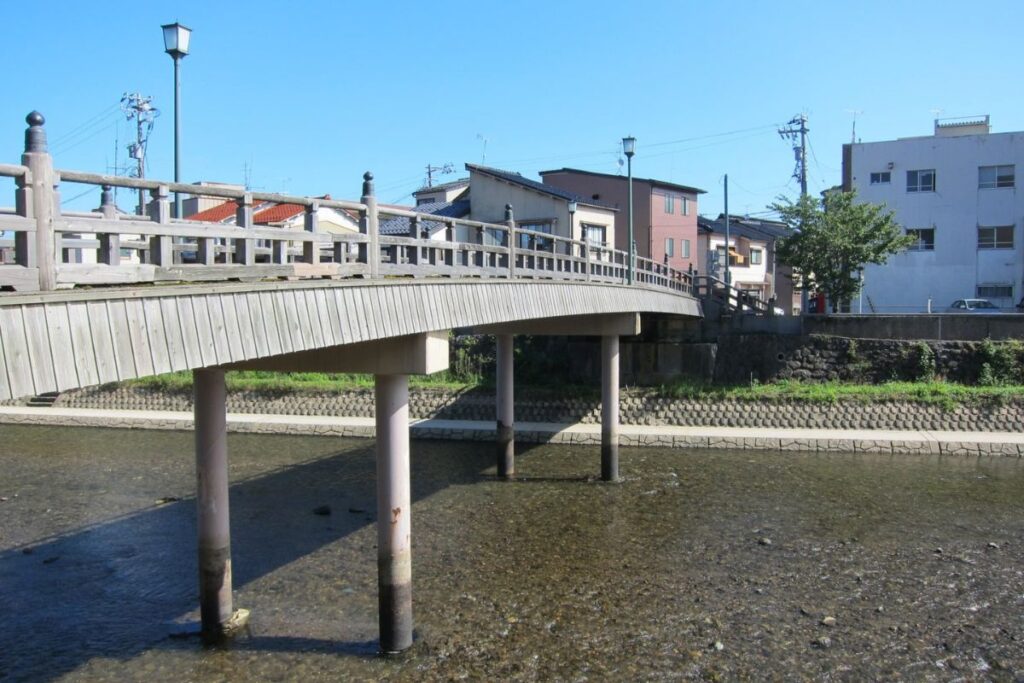
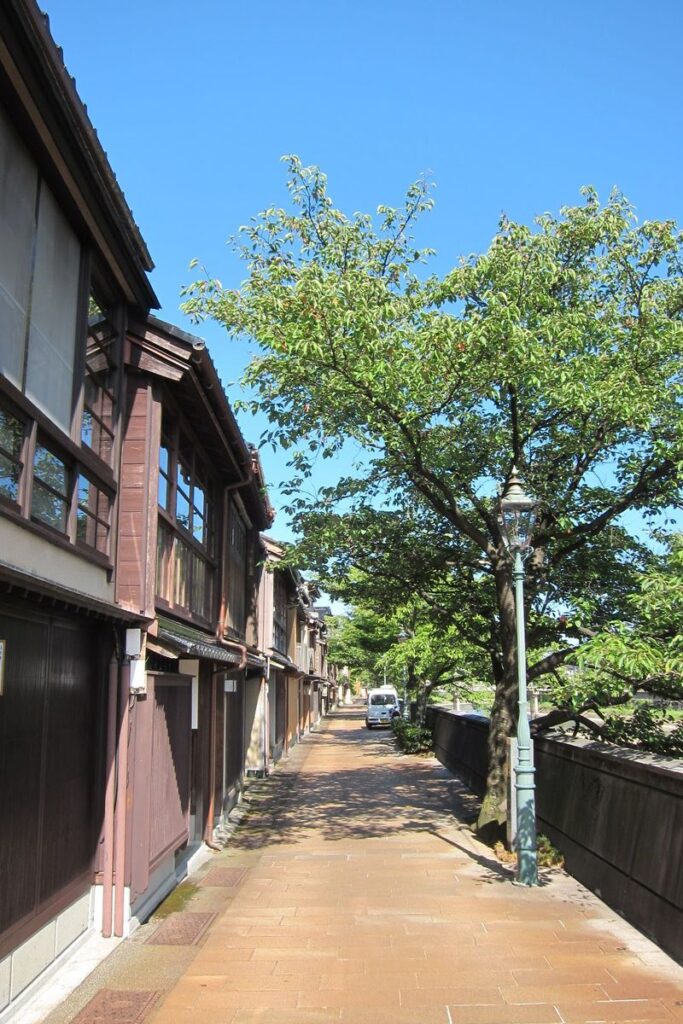
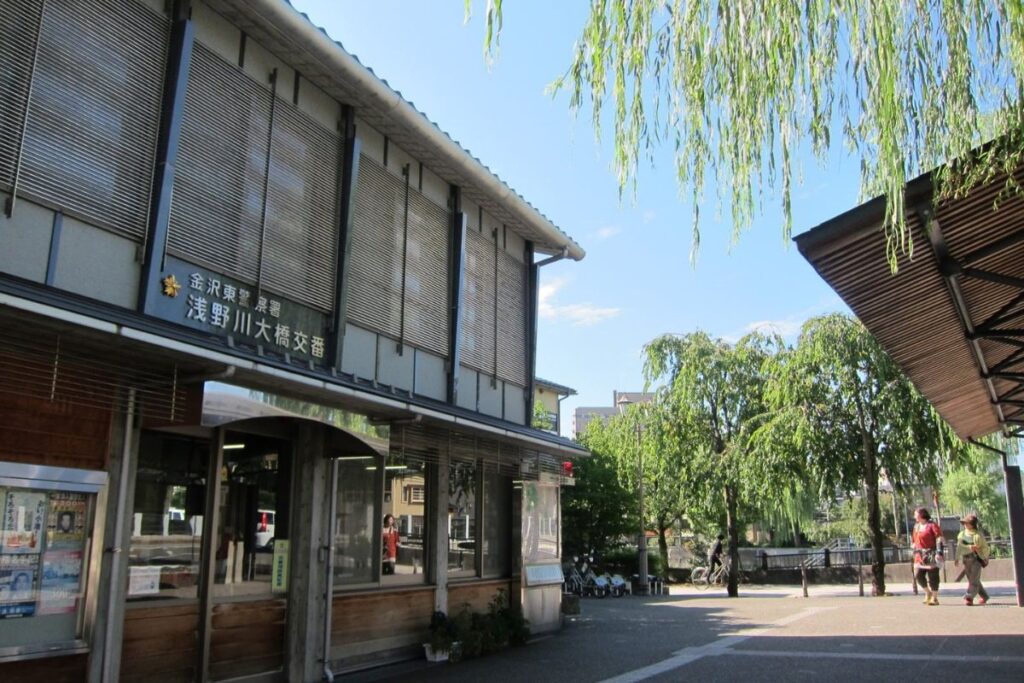
Kazuemachi runs along the Asano River, and the morning light on the water reflecting back up into the red-lacquered machiya (townhouse) facades is something I’d specifically set an alarm for. Stone-paved lanes, narrow alleys, the sound of the river. Walking the cherry-blossom path along the Asano is, in spring, completely unfair in how beautiful it is.
My Tip: Get Lost on Purpose
When I visited in 2012, I spent an afternoon just wandering along the Asano River with no particular destination. That turned out to be the best decision I made.
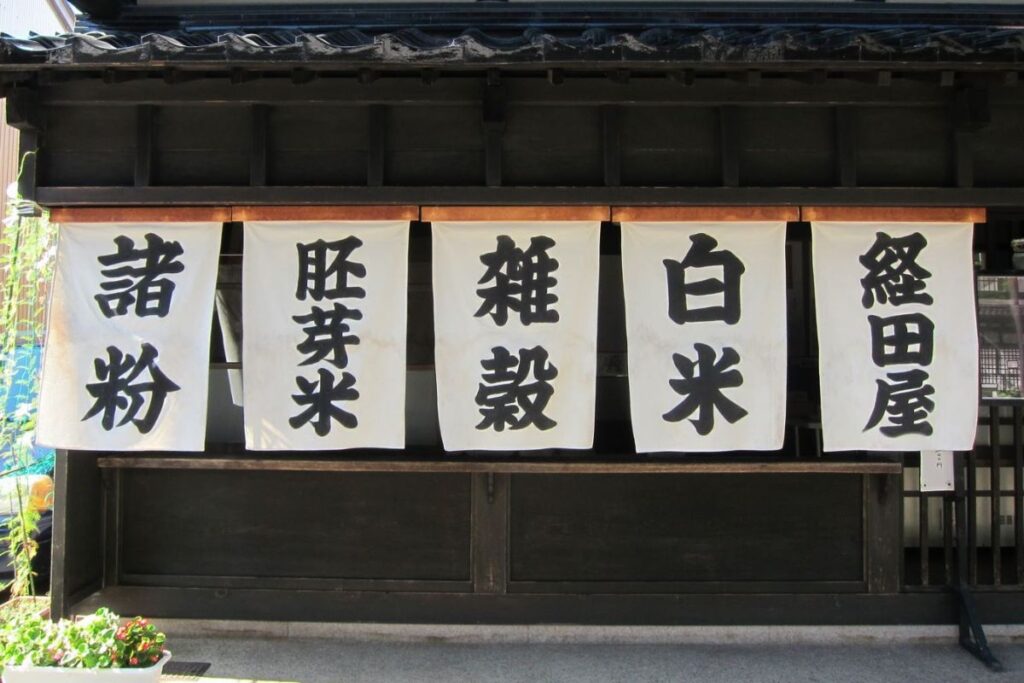
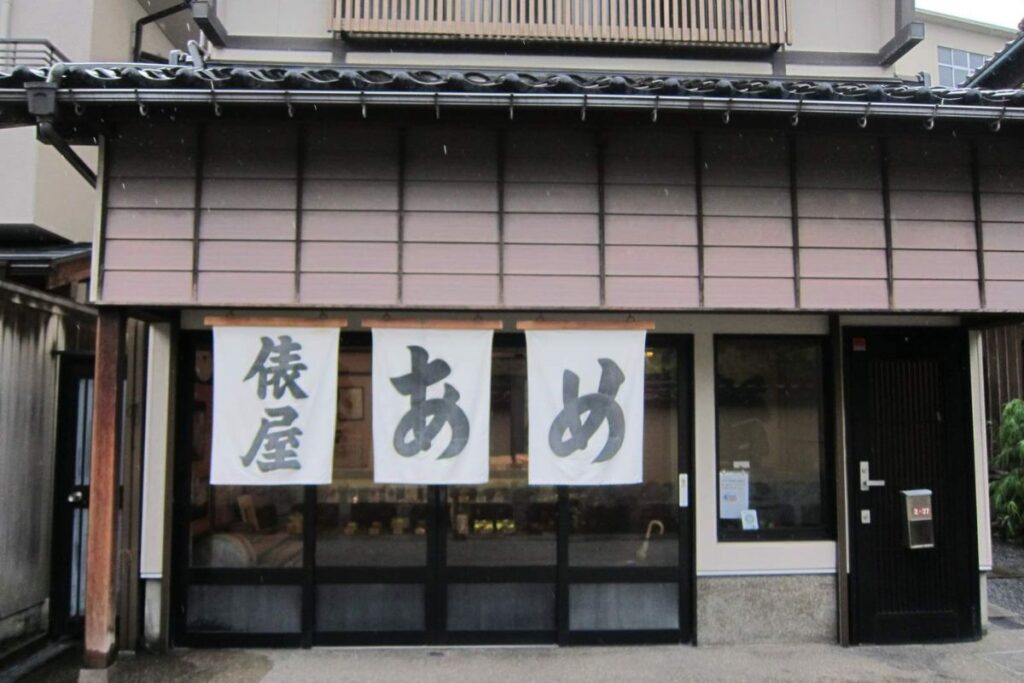
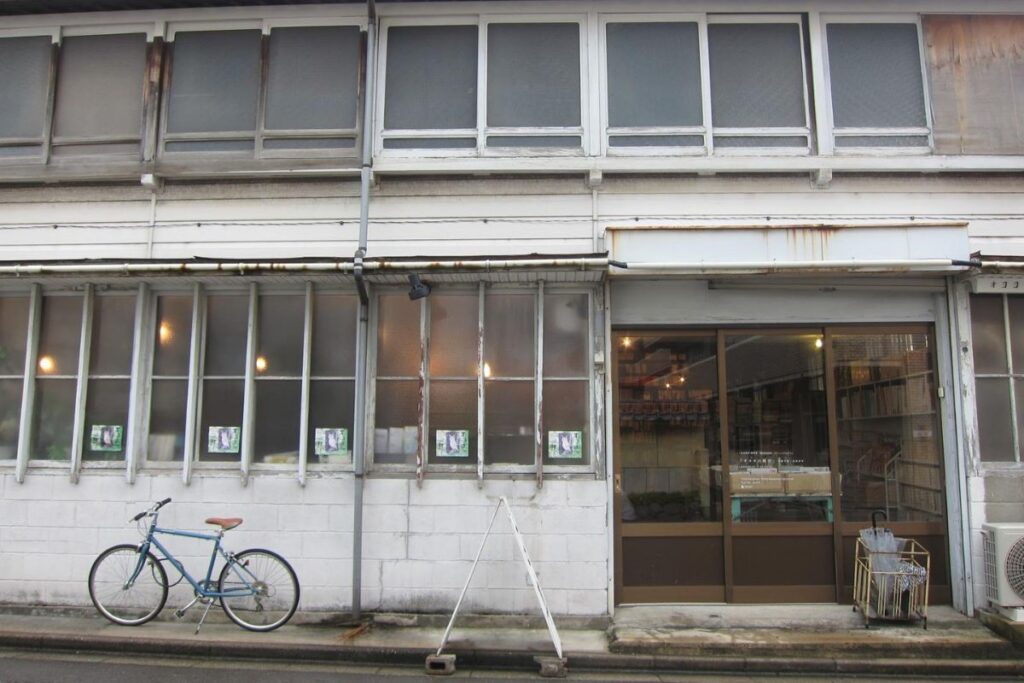
Without a map or a plan, I stumbled across the Keida-ya Rice Merchant Building — a registered cultural property that most tourists walk past entirely — and Tawara-ya, which has been making traditional ame (hard candy) since 1830 and is the oldest sweet shop in Kanazawa. The architecture of these old family businesses is just as compelling as the big museums. Sometimes more so, because nobody’s curating the experience for you.
Kogei: Why Kanazawa Takes Craft Seriously (More Than Any City I Know)
You’ll hear the word kogei a lot in Kanazawa. We’d usually translate it as “craft” — but honestly, that word doesn’t do it justice here.
Here’s the simplest way I can put it: imagine if a city took craft as seriously as Paris takes fashion. That’s Kanazawa. It’s been that way since the Edo period, when the local lords actively cultivated artisanal culture — silk dyeing, lacquerware, gold leaf — as a point of civic pride. Today, Kanazawa produces roughly 98% of all gold leaf made in Japan. Not a side note. The main event. And if you wander into one of the gold leaf souvenir shops in Higashi Chaya — which I did, mostly out of curiosity — you’ll quickly discover just how far they’ve taken this. Gold leaf soft serve ice cream. Gold leaf face masks. Gold leaf cosmetics. I genuinely did not expect the range, and it made for a very entertaining fifteen minutes. Very “only in Japan,” in the best possible way.
In 1995, the city declared itself a World City of Craft. In 2009, it became the first city globally to join UNESCO’s Creative Cities Network under the craft category. Again — not honorary titles. This is genuinely what the city runs on.
But here’s where it gets interesting.
There’s a growing movement of artists in Kanazawa who are taking those traditional materials — lacquer, gold leaf, ceramics — and doing completely unexpected things with them. Not making decorative objects. Not making “fine art” in the gallery sense either. Something in between, something that doesn’t have a clean Western equivalent, and Kanazawa is where that conversation is happening most visibly in Japan right now.
The best place to see it in action? The KOGEI Art Fair Kanazawa — Japan’s only art fair dedicated entirely to this space where craft meets contemporary art. Think less “craft market,” more “art fair where the work happens to have been made using 400-year-old techniques.” There’s also a related festival called GO FOR KOGEI that spreads across the wider Hokuriku region each autumn.
If your trip overlaps with either, clear your schedule. It’s the kind of thing you’ll be telling people about when you get home.
Getting There and Getting Around
Getting there
The Hokuriku Shinkansen runs from Tokyo to Kanazawa in around 2.5 hours — genuinely one of the easier bullet train journeys in Japan. If you’re coming from Osaka or Kyoto, there are limited express services (currently check schedules following the 2024 extension of the Hokuriku line, as some routes have been revised).
Overnight buses from Tokyo are also a solid option if you’re watching your budget — economical, and they drop you right in the city centre. That’s how I did it the first time.
Getting around
The Kanazawa Loop Bus (城下町周遊バス) covers all the main sights — the museum, all three chaya districts, Kenroku-en — and a one-day pass is very good value. I bought it at the bus terminal just outside Kanazawa Station when I arrived. Five minutes, done.
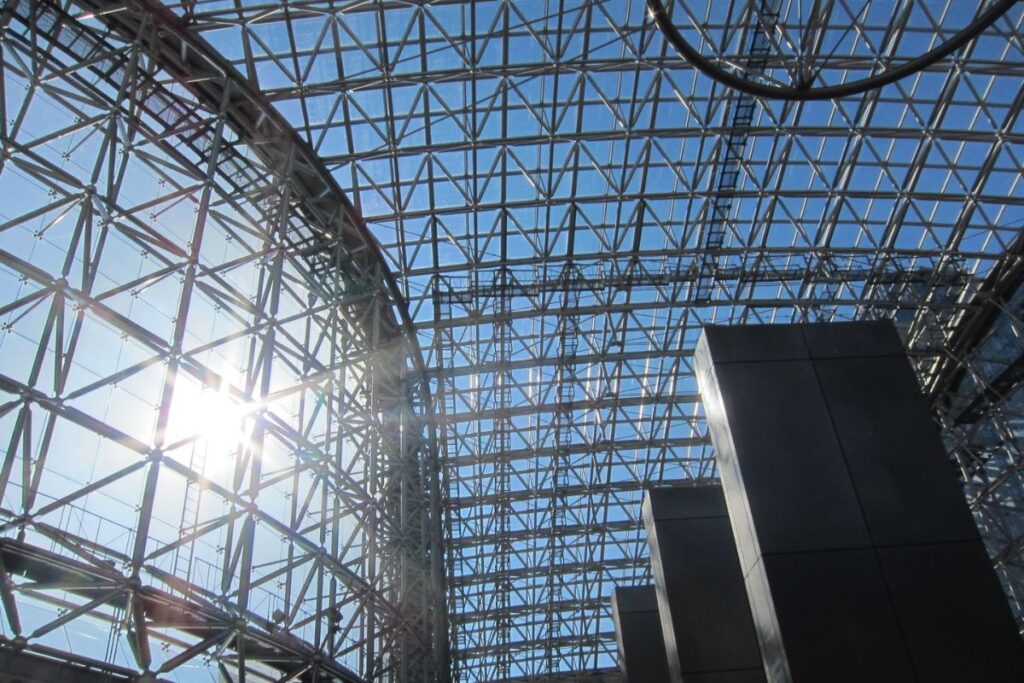
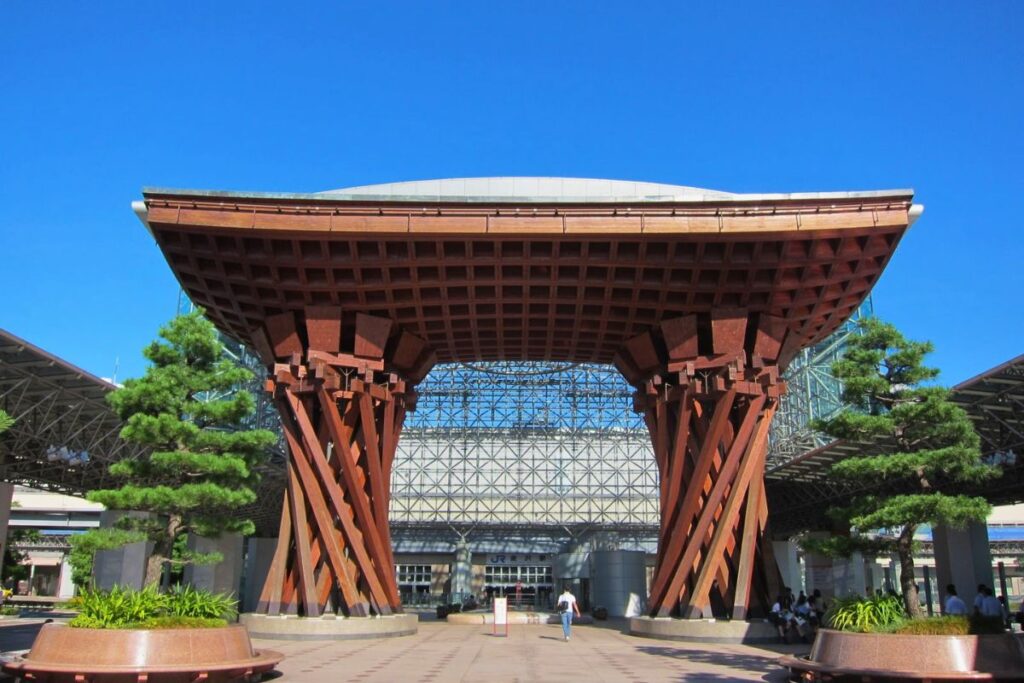
The station itself is worth a moment before you board anything. The iconic tsuzumi-mon gate out front — two great zelkova wood arches modelled on the hand drum used in Noh theatre — is one of the most photographed things in Kanazawa, and one of the few cases where the reality is better than the photo.
Where to stay
For a properly Refined Japan experience: Kourinkyо (香林居), a boutique hotel renovated from a traditional machiya in the Katamachi area. It has an in-house sauna and a distillery, which is a combination I wasn’t expecting and which tells you a lot about what Kanazawa is becoming. The kind of place that ends up in Casa Brutus — because it has.
What to eat
Non-negotiable: Omicho Market (近江町市場) for kaisendon — a fresh seafood rice bowl. The market is lively, the fish is exceptional, and the bowl I had there is still one I think about occasionally. Just go.
The Afterglow
It’s been over ten years since that first solo trip, and Kanazawa remains one of the most beautiful places I carry in my head.
Writing this brought the whole trip back — the morning quiet of Nishi Chaya, the way the Swimming Pool felt nothing like I’d imagined, the specific quality of light along the Asano River. And honestly? The urge to go back is stronger now than it was before I started typing.
Kanazawa moves at its own pace. Slow, kind, genuinely cultured — not performing culture for visitors, but actually living it. If you want to see a side of Japan that’s as much about the future as it is about the past, give yourself a reason to skip the Kyoto crowds for once.
You won’t regret it. And the kaisendon alone is worth the shinkansen ticket.
Have you been to Kanazawa, or is it going on your list? I’d love to know in the comments. And if you’re building out a Japan itinerary, you might also enjoy Kyoto Design Guide and Tokyo Fashion Travel Guide.