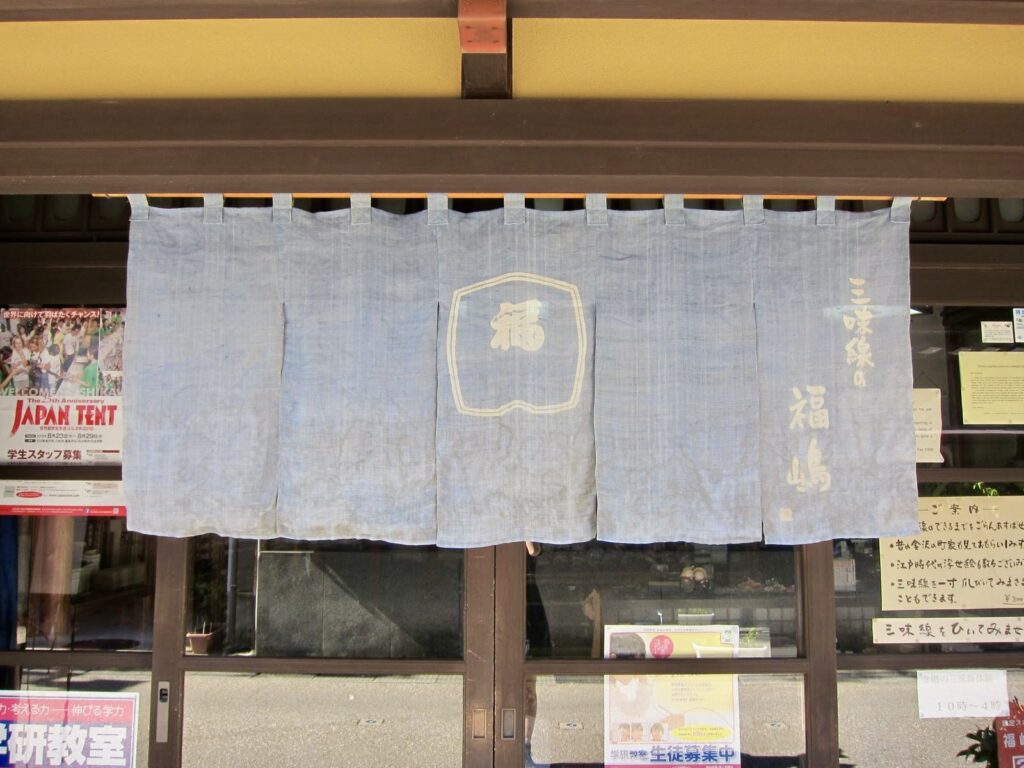

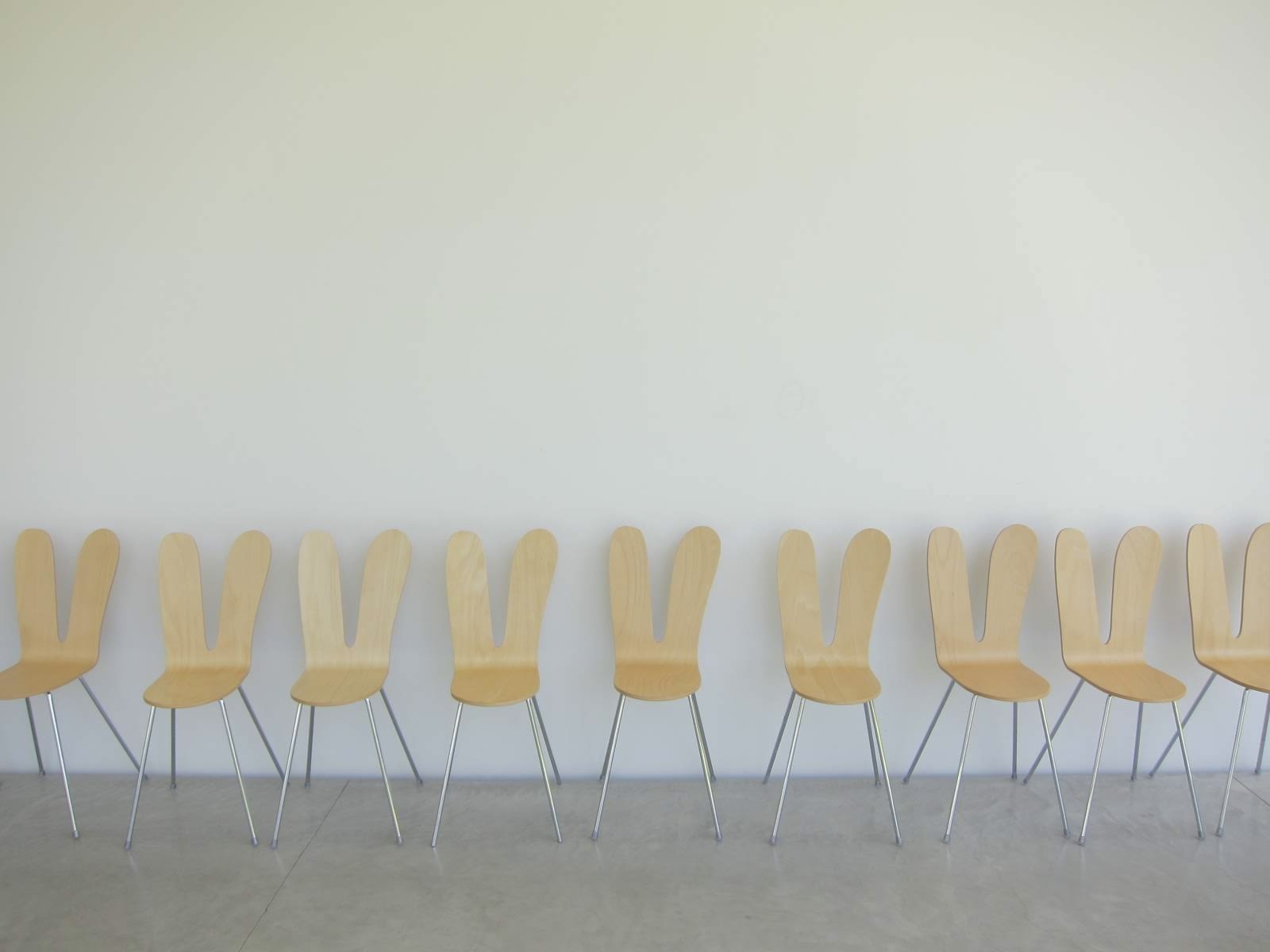
Everyone thinks they know what Japanese aesthetics means. Wabi-sabi, minimalism, maybe a bit of Marie Kondo. Clean lines, neutral colours, one perfect object on a shelf.
That’s not wrong, exactly. But it’s a bit like saying French cuisine is “bread and cheese.” Technically true, wildly incomplete.
I grew up in Japan — not in a traditional house with tatami and shoji screens, but in a regular modern apartment, in a regular city, living a pretty ordinary life. And yet something got absorbed along the way. A sense that rooms with too much in them feel uncomfortable. That a plain object can be more interesting than a decorated one. That silence isn’t empty.
It wasn’t until I moved to New Zealand that I had a word for any of it — or realised it was even a “thing.” When you grow up inside a culture, you don’t see it. You just live it.
So here’s what I actually think Japanese aesthetics is — not the Pinterest version, not the wellness retreat version, but the version that’s been quietly shaping how I see things my whole life.
What is Japanese Aesthetics?
What is Japanese Aesthetics?
It’s not a single style. It’s closer to a set of instincts — a shared tendency to find beauty in restraint, in impermanence, and in the spaces between things rather than the things themselves.
It shows up everywhere: in architecture, in product design, in how food is plated, in the pause before someone answers a question. And unlike a lot of Western design traditions, it’s less interested in looking beautiful as a goal, and more interested in how beauty feels — and what it quietly asks of you.
A few concepts sit at the core of it:
1. Wabi-sabi (侘寂): Beauty in imperfection and impermanence. The worn, the weathered, the slightly uneven — not as a compromise, but as the whole point.
2. Ma (間): Negative space, or more accurately, the meaningful pause. The empty corner your eye keeps returning to.
3. Shibui (渋い): Understated elegance. Quality that doesn’t announce itself.
4. Yūgen (幽玄): That particular feeling when something moves you in a way you can’t quite explain. Mountains in mist. A certain quality of late afternoon light.
These aren’t design trends. They’re closer to a collective agreement about what beauty is for.
Why It Feels So… Different
You know that feeling when you walk into a Japanese space and something just settles? That’s not accidental. A few things are working together:
1. It’s not trying to impress you. A mossy stone or a faded surface isn’t “old” — it’s telling a story.
2. It values change. Seasons shift, things wear down, and that’s considered part of the beauty, not a problem to fix.
3. It’s felt, not just seen. You don’t just look at it — you experience it, often without being able to say exactly why.
Two Big Influences: Nature and Zen
Two things shaped Japanese aesthetics more than anything else.
1. Nature
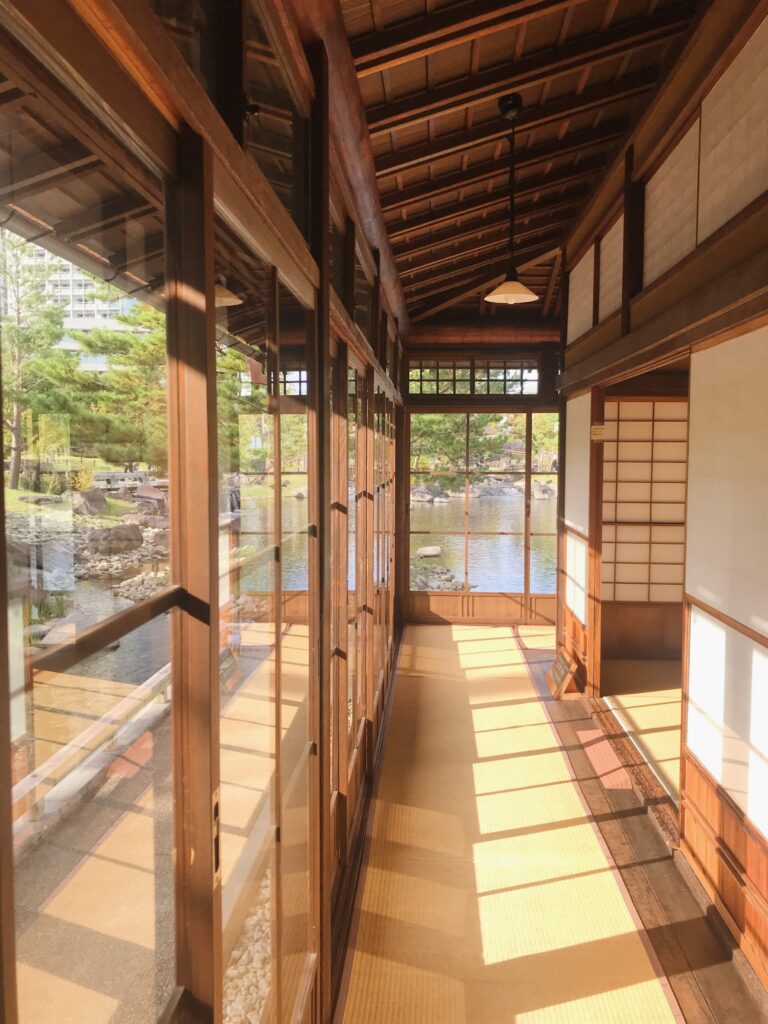
In Japan, nature isn’t scenery, it’s material. Homes are designed to let in light, air, and the sound of rain. Gardens aren’t meant to look “perfect” — they’re meant to reflect the way things actually grow. The fact that flowers wilt isn’t a problem. It’s the point.
2. Zen Buddhism
Zen teaches presence, simplicity, and letting go of control. That’s why traditional Japanese spaces feel so open. A rock garden isn’t random — it’s a meditation. And the empty space around a single object isn’t wasted — it’s what makes the object worth looking at.
Wabi-Sabi: Finding Beauty in Imperfection
I have a yunomi — a Japanese teacup — that I’ve had since I was a child. It has a hairline crack along the rim. By any logical measure, I should have replaced it years ago. I haven’t, and I won’t.
There’s something about holding it that a flawless cup doesn’t give me. The crack is part of its history. It’s part of mine. That’s wabi-sabi — not as an aesthetic mood board, but as a genuine shift in how you value things.
The concept breaks into two parts: wabi, a sense of simplicity and quiet — even a kind of productive solitude — and sabi, the beauty that accumulates with age and use. Together, they describe something I find increasingly radical: the idea that things don’t need to be perfect to be worth loving.
What Wabi-Sabi Looks Like
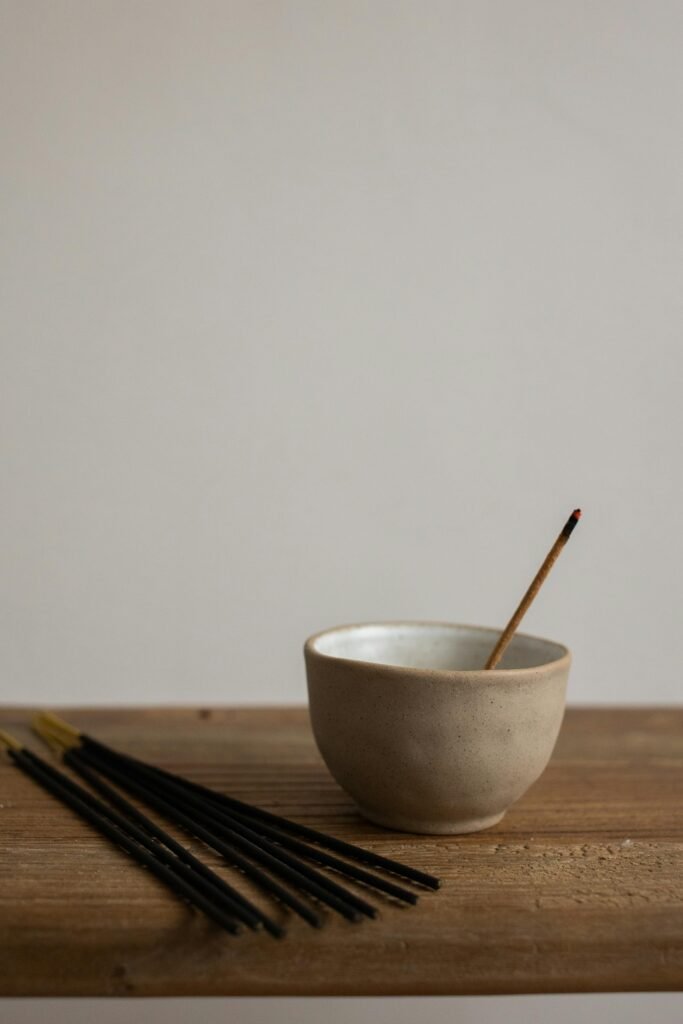
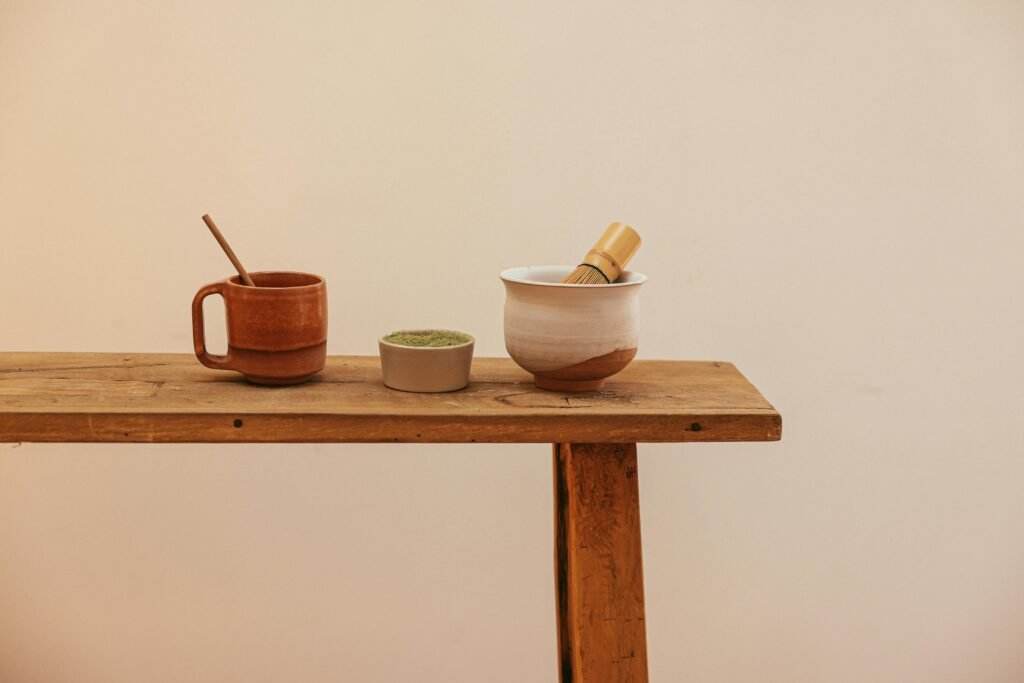
– A ceramic bowl with an uneven glaze and a small crack running through it
– A wooden table worn smooth by decades of use
– A handwritten letter with smudged ink
– That quiet, rainy Sunday when nothing is happening and it feels exactly right
Wabi-sabi isn’t Instagram-perfect. It’s real-perfect.
Wabi-Sabi vs. “Perfectionism”
We’re conditioned to chase newness. Scratched furniture? Replace it. Faded jeans? Toss them. Everything should look like it arrived five minutes ago.
Wabi-sabi is the direct counter to that.
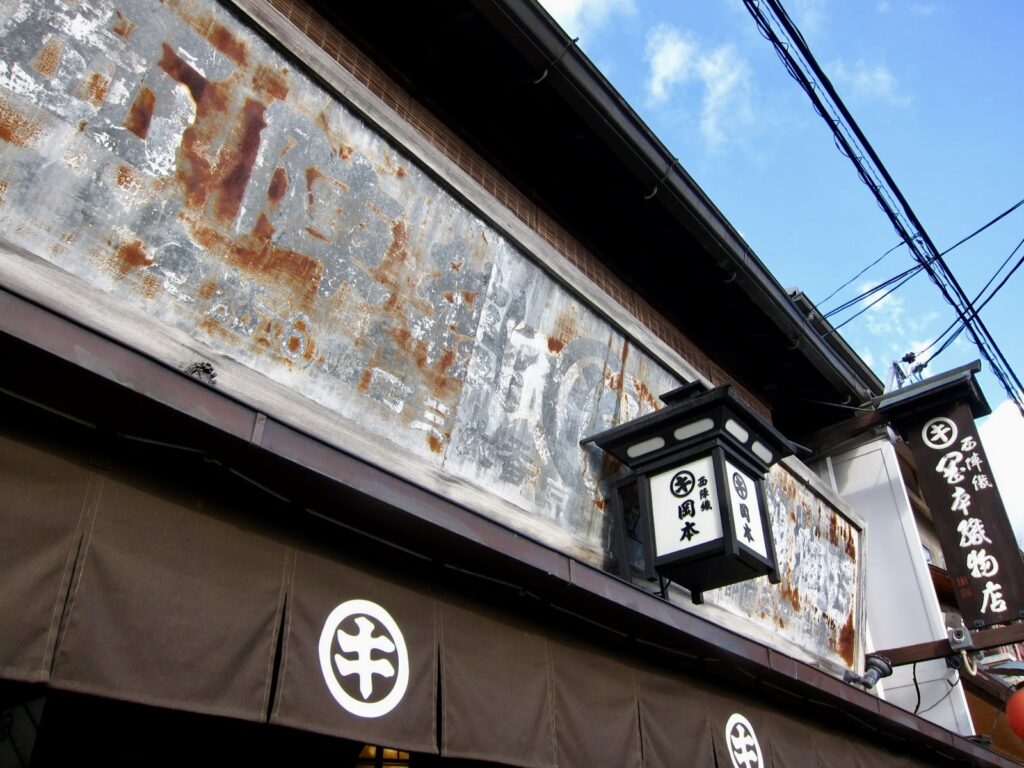
It says: the scratch is interesting. The worn edge is where the story is.
There’s even a Japanese practice called kintsugi — repairing broken pottery with gold — which treats the break not as damage to hide, but as a seam worth honouring. The repaired object becomes more valuable, not less.
It’s a subtle but powerful shift: imperfection isn’t failure. It’s life.
How to Invite Wabi-Sabi Into Your Life
You don’t need to fly to Kyoto or buy expensive artisan pottery to start.
1. Choose handmade over mass-produced. Look for items with texture, irregularity, a human touch.
2. Don’t toss things just because they’re old. That faded cushion has lived with you. That’s worth something.
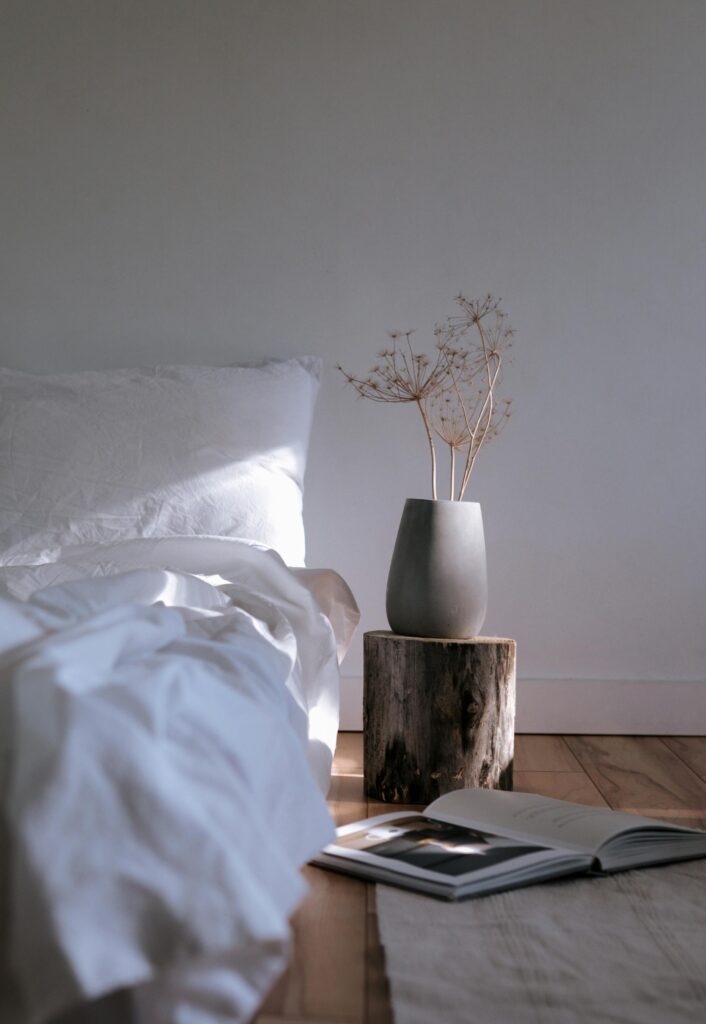
3. Simplify, but stay warm. Wabi-sabi isn’t cold minimalism—it’s cosy minimalism.
4. Spend time in nature. Watch how things change, age, grow. That’s wabi-sabi happening in real time.
Japanese Minimalism: It’s Not What You Think
This is a conflation I run into constantly, and it matters.
Both Japanese and Scandinavian design involve restraint, clean lines, and a resistance to unnecessary decoration. But they come from completely different emotional places — and once you see the difference, you can’t unsee it.
Scandi minimalism is, at its core, about comfort: the warm, curated home as refuge. There’s an underlying cosiness to it, even when it looks sparse.
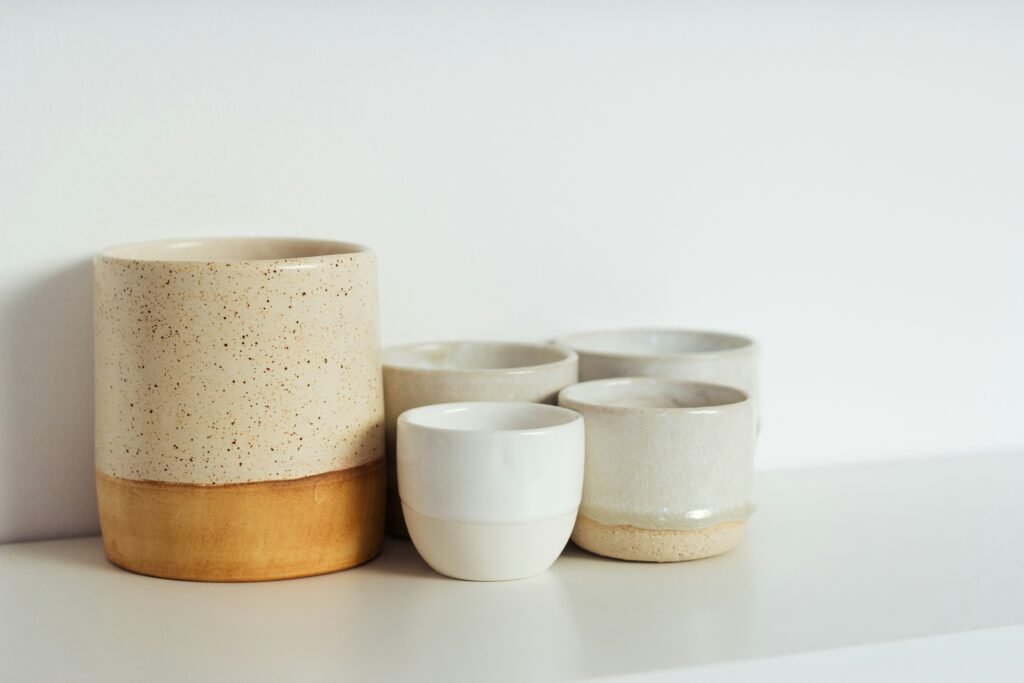
Japanese minimalism is more about attention. Less clutter doesn’t just mean a tidier room — it means fewer things competing for your focus, which means you actually see what’s there. A single object on a shelf becomes something to look at properly. An empty wall makes the one painting worth noticing.
Western minimalism tends to focus on:
1. Clean lines, symmetry, and modern materials
2. “Less is more” as a design rule
3. A deliberate, sometimes clinical aesthetic
Japanese minimalism is rooted in:
1. Zen philosophy and wabi-sabi
2. Natural materials — wood, paper, clay
3. Emptiness as potential, not just absence
Growing up, I never thought of this as “minimalism.” It was more that too much stuff around just felt uncomfortable — cluttered in a way that went beyond the visual. I think that instinct comes from somewhere real. Japanese spaces have historically been small and intentional, where every object earns its place. That shapes you, even if you don’t realise it.
Why Minimalism Matters in Japan
Japanese minimalism isn’t a trend that came and went. It’s structural — baked into the way people have lived for a long time.
Space in Japan is genuinely limited. Most people in cities grow up in apartments where every square metre is accounted for. That shapes you in ways you don’t notice until you leave. You learn, almost by default, that objects need to earn their place — that bringing something new in usually means something else has to go.
This connects back to a few of the ideas we’ve already covered:
1. Ma (間): Empty space isn’t wasted — it’s breathing room, and it’s doing real work in how a space feels
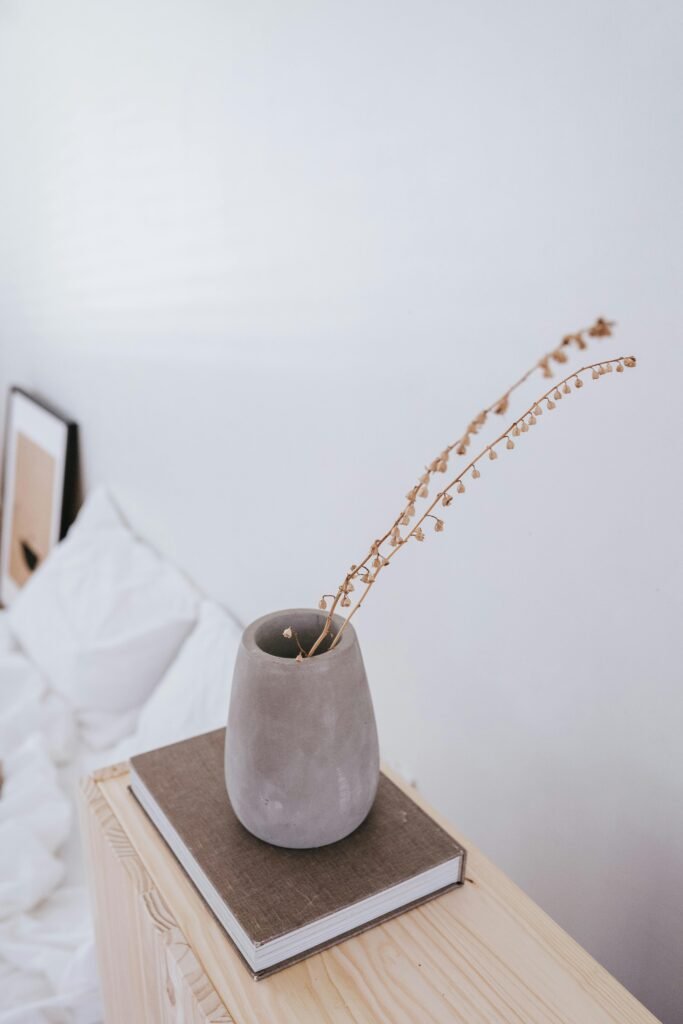
2. Harmony with nature: Bringing the outside in, even in a small apartment — a plant, a branch, natural light
3. Impermanence: If nothing lasts forever, there’s less reason to fill your space with things you’re merely tolerating
It’s minimalism with a reason behind it, which is why it feels different to the purely aesthetic kind.

Everyday Minimalism Tips
The good news is that you don’t need to redesign your entire home — or move to Japan — to feel the difference. Some of the most effective shifts are almost embarrassingly small.
1. Declutter with intention. Don’t just get rid of stuff — ask: does this bring me peace or purpose? If you’re answering “neither” while defending it, that’s your answer.
2. Use natural materials. Wood, linen, clay — things that age beautifully rather than just wearing out.
3. Create space for stillness. Not every surface needs to be styled. An empty corner isn’t a missed opportunity — it’s doing something.
4. Go seasonal. A single branch in spring. A stone in autumn. Let your space reflect what’s happening outside rather than staying frozen year-round.
5. Multipurpose everything. Futons, nesting bowls, folding furniture — Japanese design has always been good at this, partly out of necessity. Small spaces teach you to be creative.
Even just clearing one shelf completely, or leaving one wall bare, can shift the whole feeling of a room. It sounds too simple to be true until you try it.
Japanese Design Principles in Architecture
I’ll be honest: I didn’t grow up in a traditional Japanese house. I grew up in a modern apartment, like most people in Japan do. So I won’t pretend I have childhood memories of shoji screens and engawa.
What I do know is that even in very ordinary Japanese spaces — a smallish apartment, a neighbourhood café, a well-designed convenience store — something is different. The proportions feel considered. Materials are chosen for texture. And there’s usually less happening visually than you’d find in an equivalent space elsewhere.
The architects who interest me most are the ones who took these instincts and formalised them.
Space, Light, and “Ma”(間)
Ma is probably the hardest concept to explain to someone who hasn’t felt it — and architecture is where it becomes most tangible.
It’s not simply empty space. It’s the quality of that emptiness. The way a bare wall can feel more active than a decorated one. The corridor that makes you slow down. The gap between two buildings that frames the sky.
In traditional Japanese homes you’ll find:
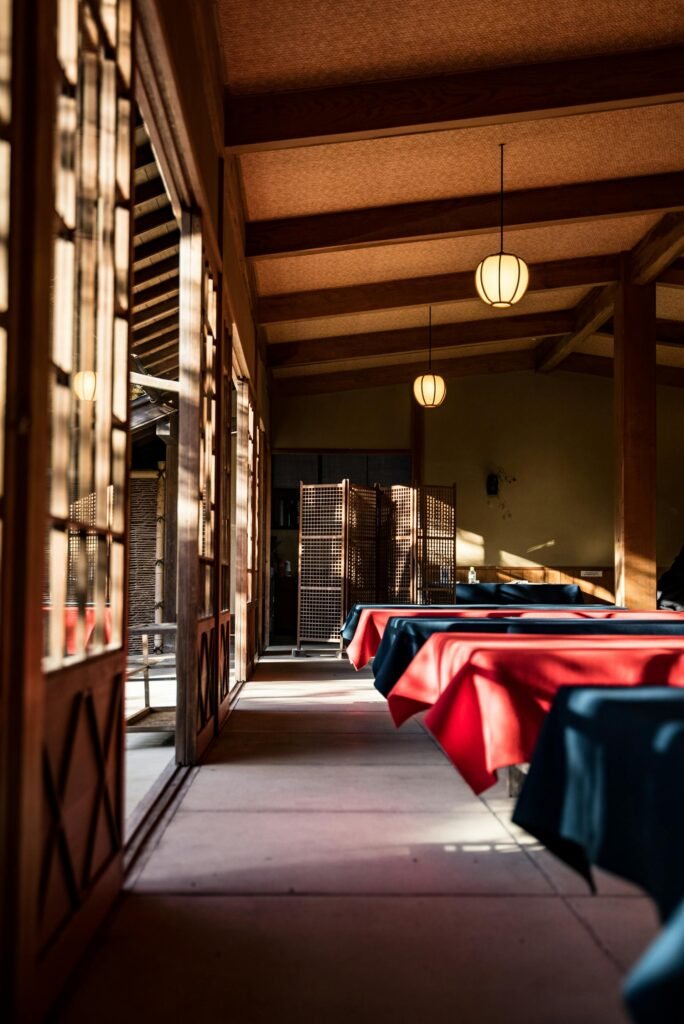
– Sliding shoji doors that create flexible, flowing spaces rather than fixed rooms
– Raised floors that define areas without walls
– Wide eaves that blur the line between indoors and outdoors
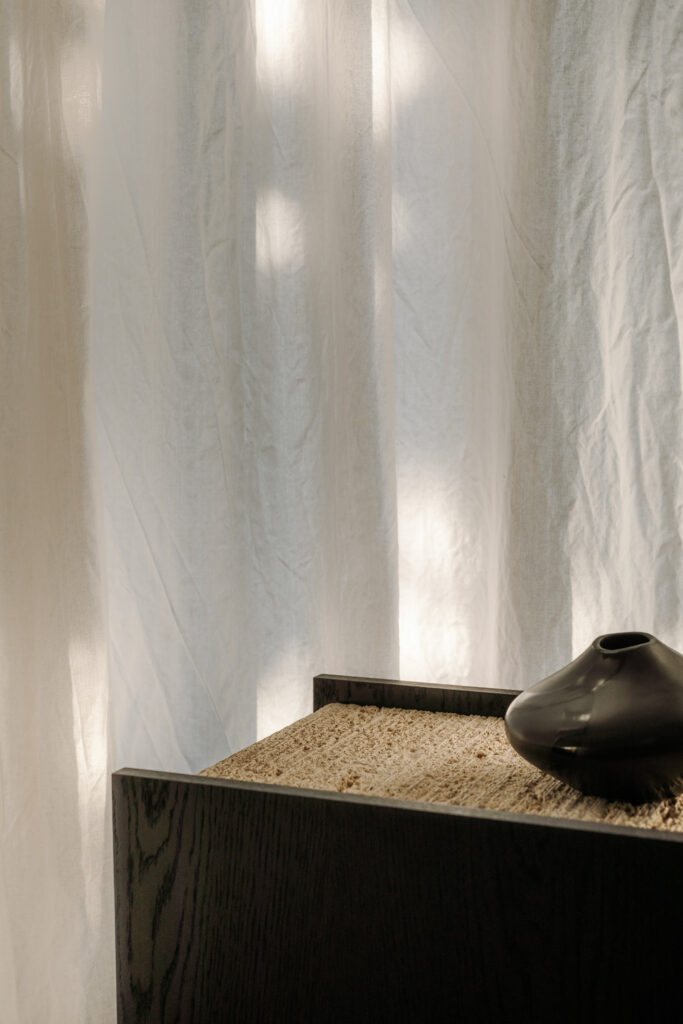
– Natural light that shifts throughout the day, making the same space feel different by the hour
Natural Materials
Japanese architecture has always favoured materials that change over time — that age rather than deteriorate.
1. Wood (like hinoki or cedar) that deepens in colour and scent with age
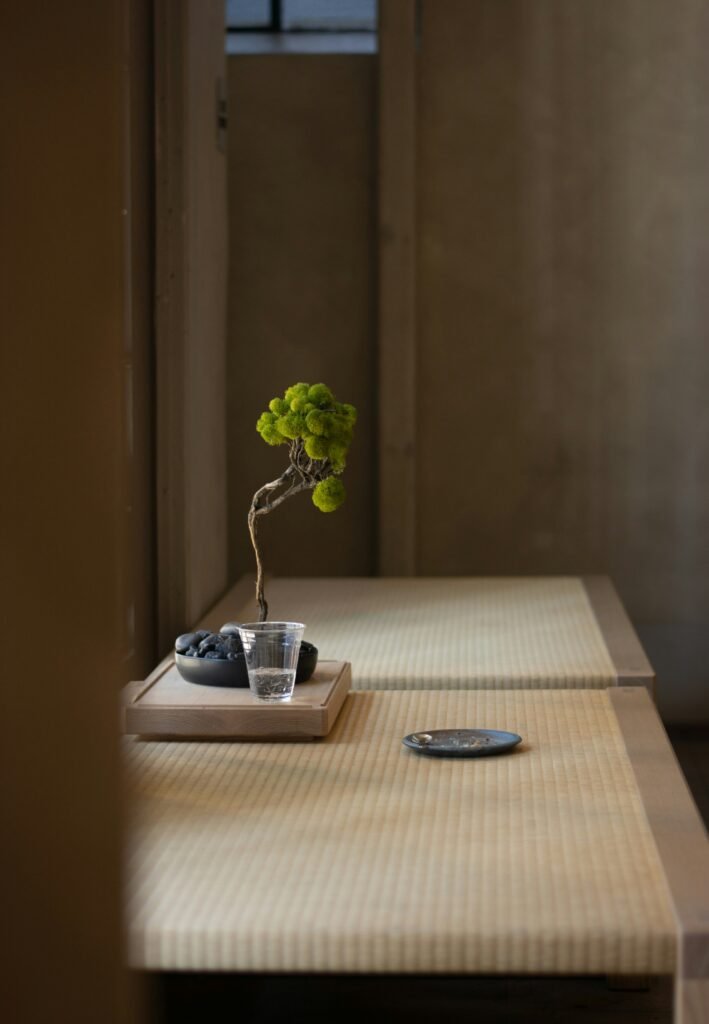
2. Tatami mats made of rice straw— soft underfoot, with a faint earthy smell that I still find instantly calming
3. Washi paper for screens and lamps, which diffuses light in a way that nothing synthetic quite replicates
4. Stone and earth for texture and a sense of groundedness
Nothing is trying to look new forever. And many traditional materials are designed to be repaired rather than replaced — tatami mats can be flipped or re-covered, shoji panels replaced individually. Sustainability and beauty, quietly working together.
Modern Japanese Architecture
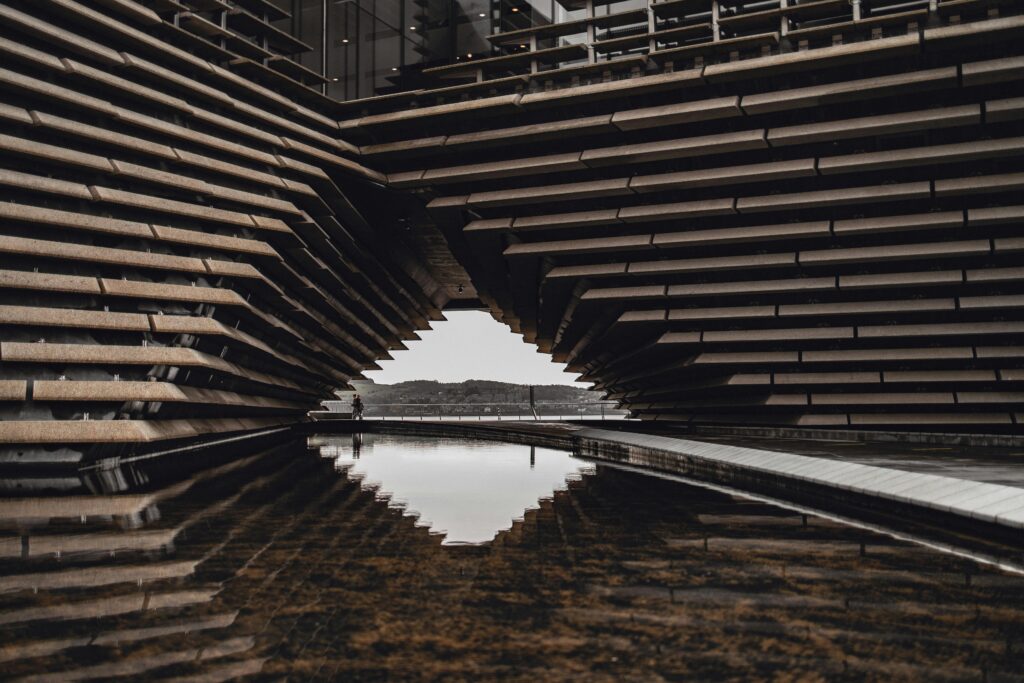
Japanese design principles didn’t stay in the past — they’ve shaped some of the most interesting architecture being built anywhere.
1. Tadao Ando works almost entirely through light, shadow, and concrete surfaces. His buildings feel like meditation in physical form. If you want to understand ma as architecture, look up the Church of the Light in Osaka.
2. Kengo Kuma takes the opposite approach to materials — wood, stone, texture — arranged in rhythmic patterns that give his buildings a warmth Ando’s concrete doesn’t have.
3. SANAA (Kazuyo Sejima and Ryūe Nishizawa) push the inside/outside boundary as far as it will go. Their buildings are so transparent and lightweight that the structure almost disappears — which is its own kind of ma.
Where to Find Inspiration
Books — start here:
1. In Praise of Shadows by Jun’ichirō Tanizaki — the best thing I’ve read on Japanese aesthetics, and it’s short. Technically about light and darkness in Japanese spaces, but it opens up into everything. Read this first.
2. Wabi-Sabi for Artists, Designers, Poets & Philosophers by Leonard Koren — slim and thoughtful. Better than the wellness-adjacent wabi-sabi books that have appeared since.
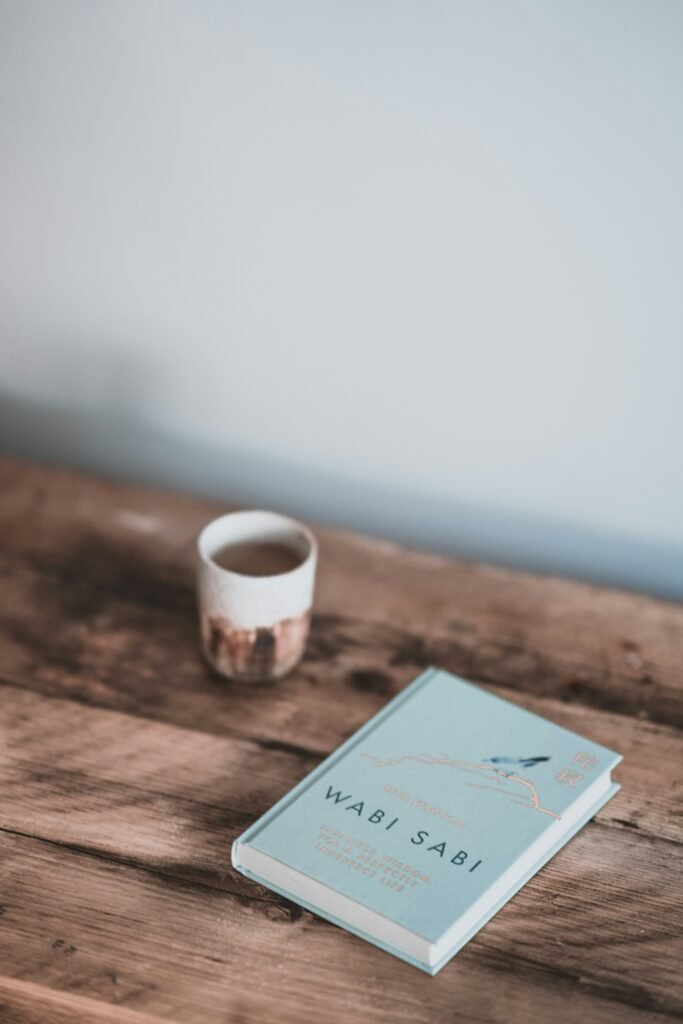
3. Wabi Sabi: Japanese Wisdom for a Perfectly Imperfect Life by Beth Kempton — a gentler entry point if you’re newer to the concepts.
Brands worth exploring:
1. MUJI — the whole brand is built around the idea that good design doesn’t need a logo or a story. A good place to start if you want to live these principles, not just read about them.
2. Kinto — tableware and lifestyle goods. Functional, tactile, quietly beautiful.
3. Maruni — furniture that takes Japanese craft seriously without being precious about it.
4. Sfera — elegant homeware with a quiet sophistication that’s very shibui.
5. Ippodo Tea — traditional tea culture, beautifully presented. A good entry point into the ritual side of Japanese aesthetics.
If you can travel:
Kyoto is the obvious answer, but honestly, any ordinary Japanese city rewards attention. A well-designed convenience store, a neighbourhood shopping street, the proportions of an everyday apartment building — the principles are everywhere once you start looking.
Why Any of This Matters
I want to be careful not to oversell this. There’s a version of “Japanese aesthetics” content that tips into romanticisation — the idea that Japan has quietly solved something the rest of the world hasn’t, or that wabi-sabi is a cure for modern anxiety. I find that framing a bit exhausting, and I don’t think it’s quite right.
What I do think is that these ideas offer a genuinely useful alternative way of looking at beauty. One that’s less interested in newness, perfection, and accumulation — and more interested in attention, impermanence, and what’s already there.
I notice it most when I come back to Japan after time away. Something recalibrates. I start seeing things I’d stopped bothering to look at. The light through a particular window. The grain of a counter. The specific quiet of a room where nothing is competing for your attention.
Once you know what to look for, it’s hard to stop noticing it.
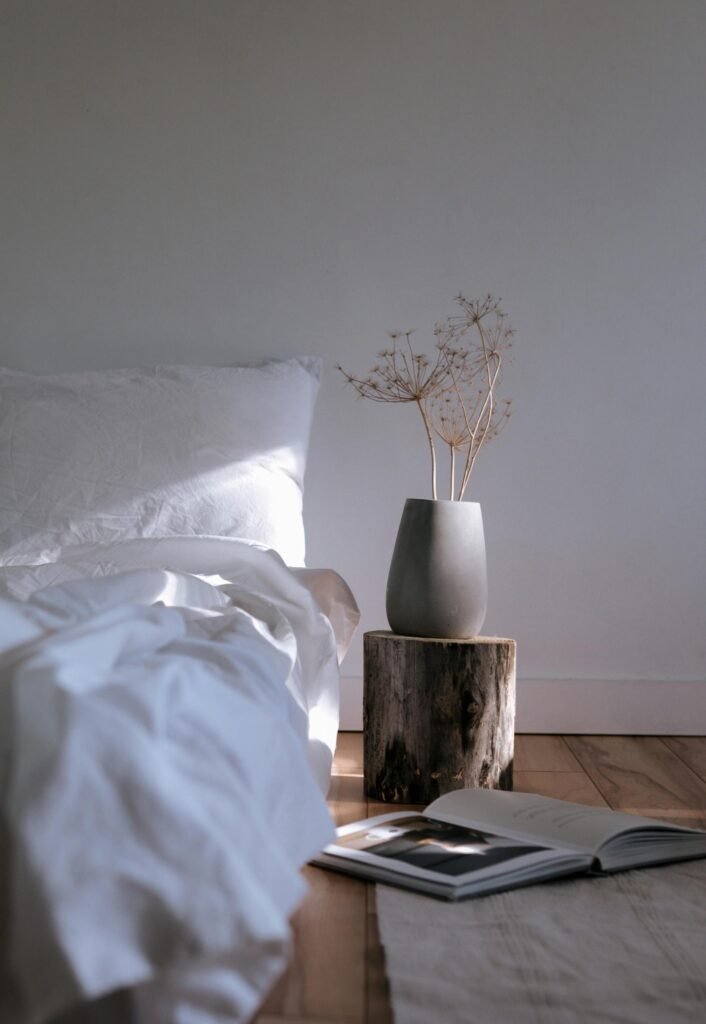
Bookmark this curated guide on Pinterest