I’ve been to Shibuya more times than I can count. Shopping, eating, the occasional panicked sprint to catch a train. But art? Yeah, that never crossed my mind.
If you’re like most visitors, Shibuya probably means one thing: the scramble crossing. Maybe Hachiko. Maybe a department store or two. And that’s totally fair — it’s a lot. But here’s the thing: I’ve lived in Japan, gone back regularly since moving to New Zealand, and I still had no idea what was hiding on the 8th floor of Hikarie. Right above the restaurants I’d eaten at a dozen times.
We only found out because we were too cheap to pay for Shibuya Sky.
(More on that in a minute.)
In this post, I’m sharing everything we discovered inside Shibuya Hikarie’s Creative Space 8 — a quietly brilliant cluster of art, design, food, and books that most people walk right past. We’re talking a design museum, a café celebrating all 47 of Japan’s prefectures, a gloriously weird shared bookshop, and a free city view that honestly? Slaps.
📌 Quick Take
- Shibuya Hikarie’s 8th floor is an art and design hub most tourists (and many locals) don’t know exists
- Highlights include d47 museum, d47 shokudo, a “share-style” bookshop, and a free sky lobby with city views
- It’s right above the station — no ticket, no reservation needed for most of it
Wait, There’s an Art Museum in Shibuya?
Yes. And honestly, I’m a little embarrassed it took me this long.
Shibuya Hikarie is a slick commercial tower directly connected to Shibuya Station. Most people know it for the shops and restaurants on floors B2 to 7. But head up to the 8th floor and you enter an entirely different world — Creative Space 8, a cultural zone that feels more Kyoto design gallery than Shibuya shopping mall.
The vibe shift when you step off the escalator is immediate. Gone is the buzzy, neon-lit commercial energy. Instead: clean lines, thoughtful curation, and an atmosphere that felt more gallery than shopping centre.
It was December 2025 on our last trip back to Japan. We’d been half-heartedly considering Shibuya Sky — the fancy rooftop observation deck — but the ticket price made us hesitate. Standing on the street, we squinted up at Hikarie and thought: that building’s pretty tall. I wonder if you can see anything from up there for free.
Reader, you absolutely can. But we’ll get to that.
The Cultural Bridge — “Japan in 47 Chapters”
Here’s something I find genuinely fascinating about Japan: the way it holds its regional identities so carefully.
In New Zealand — and in much of the Western world — the tendency is toward national homogenisation. You can find similar shops, similar chains, similar vibes from one city to the next. But Japan has this deep, almost stubborn pride in locality. Every prefecture has its own craft traditions, its own signature food, its own aesthetic sensibility. And people take that seriously.
Two of the spaces on the 8th floor are built entirely around this idea — d47 museum and d47 shokudo, both part of D&DEPARTMENT PROJECT, a design collective that champions “long-life design” and local craftsmanship over fast, disposable aesthetics.
Think of it a bit like the slow food movement, but for design. And for all of Japan, at once.
For visitors from overseas, these two spaces offer something genuinely hard to find elsewhere: a window into what modern Japanese craft actually looks like — not the tourist-shop version, but the real, living, evolving thing.
What’s Actually Up There — A Floor-by-Floor Guide
🇯🇵 d47 museum
The centrepiece of the 8th floor, and the reason I’d recommend checking what’s on before you visit.
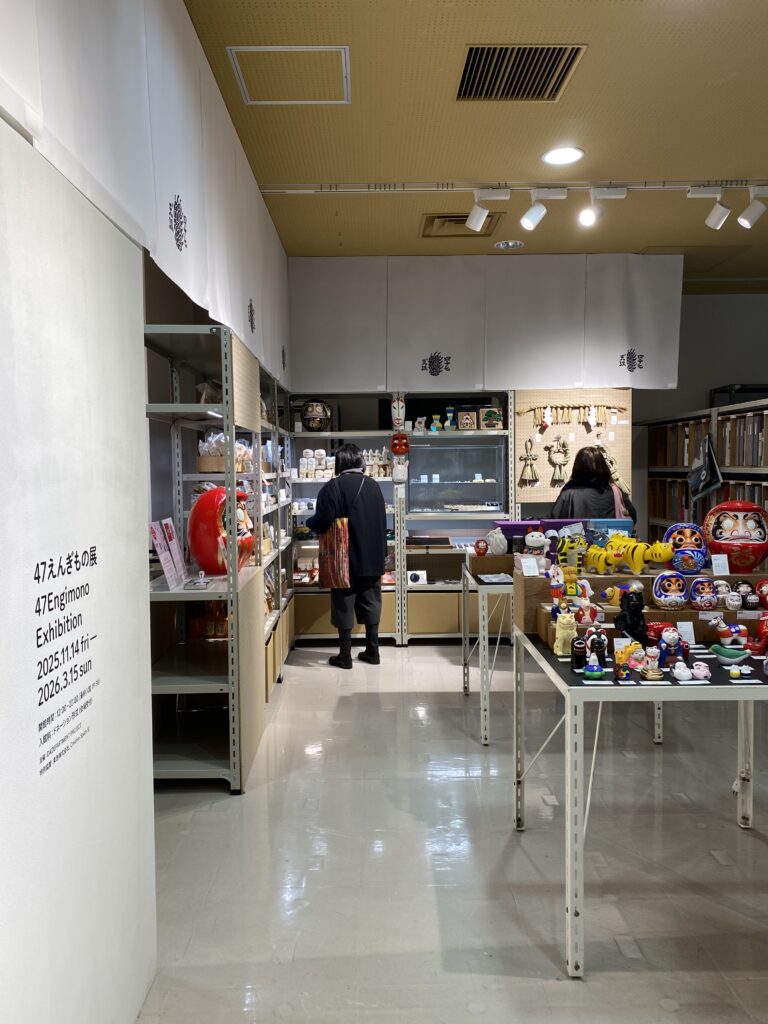
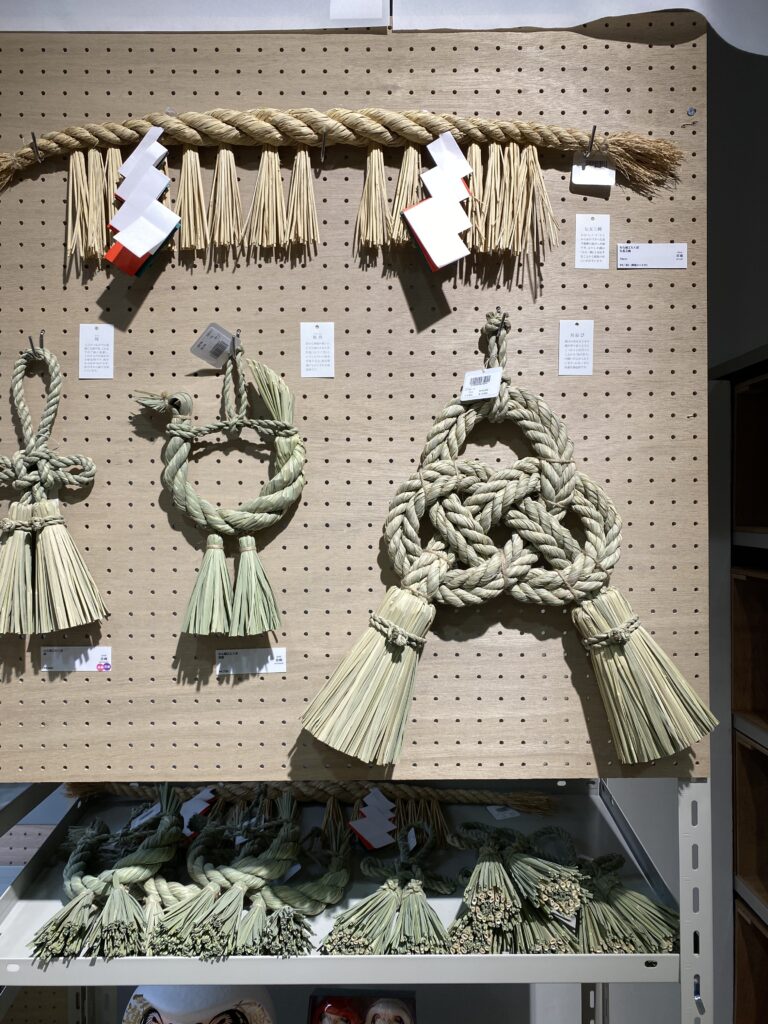
d47 museum is Japan’s only permanent design museum dedicated to all 47 prefectures. Run by D&DEPARTMENT PROJECT, it explores “the now of Japanese making” — traditional crafts, local foods, regional design movements, community projects. The exhibitions rotate, so what you see depends entirely on when you go.
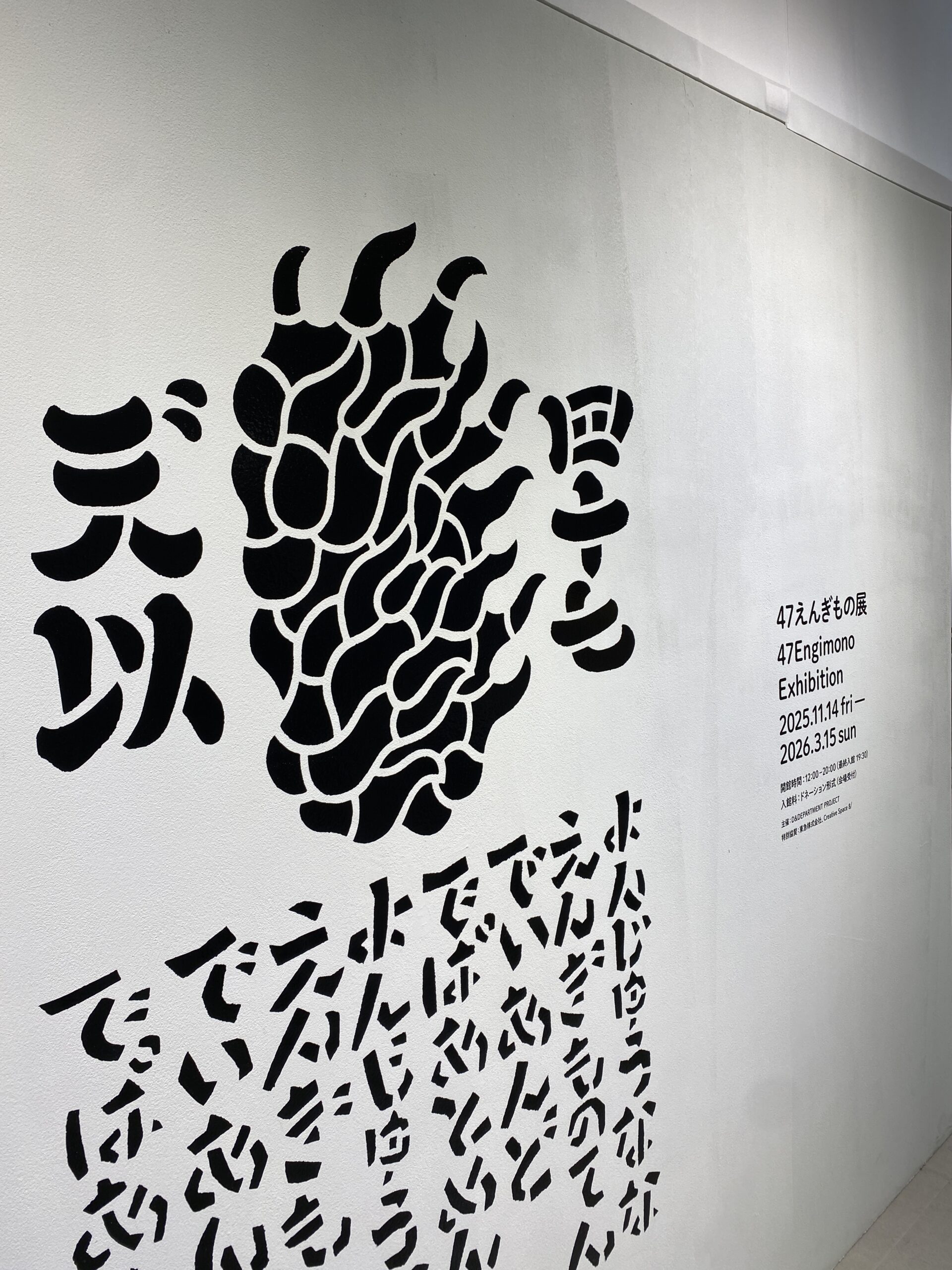
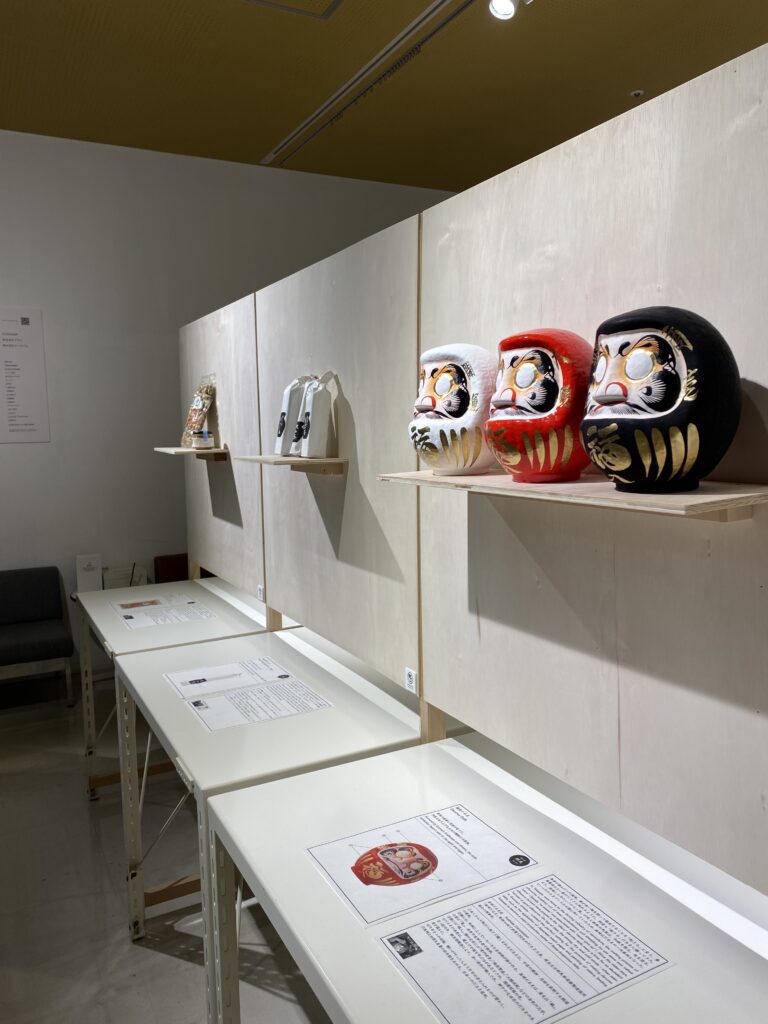
When we went in December 2025, the exhibition was “47 Engimono-ten” — a showcase of engimono, which are Japanese good-luck objects. Think the beckoning cat (maneki-neko), the daruma doll, the red-and-white decorated sea bream. Each one carries specific symbolism tied to its region — and I say this as a Japanese person who grew up in Japan: I still learned things I didn’t know.
What made it special:
- You could speak directly with the exhibitors — artisans and makers who had brought their work from all over Japan
- Audio guides were available
- English explanations were provided throughout, so this is genuinely accessible even if your Japanese is zero
- You can buy pieces directly — making this one of the better spots for considered, meaningful souvenirs
Note: Exhibitions change regularly, so check the d47 museum official site before you go.
D&DEPARTMENT PROJECT also runs shops around Japan — if you’re heading to Kyoto, I wrote about their store there.
🍽 d47 shokudo
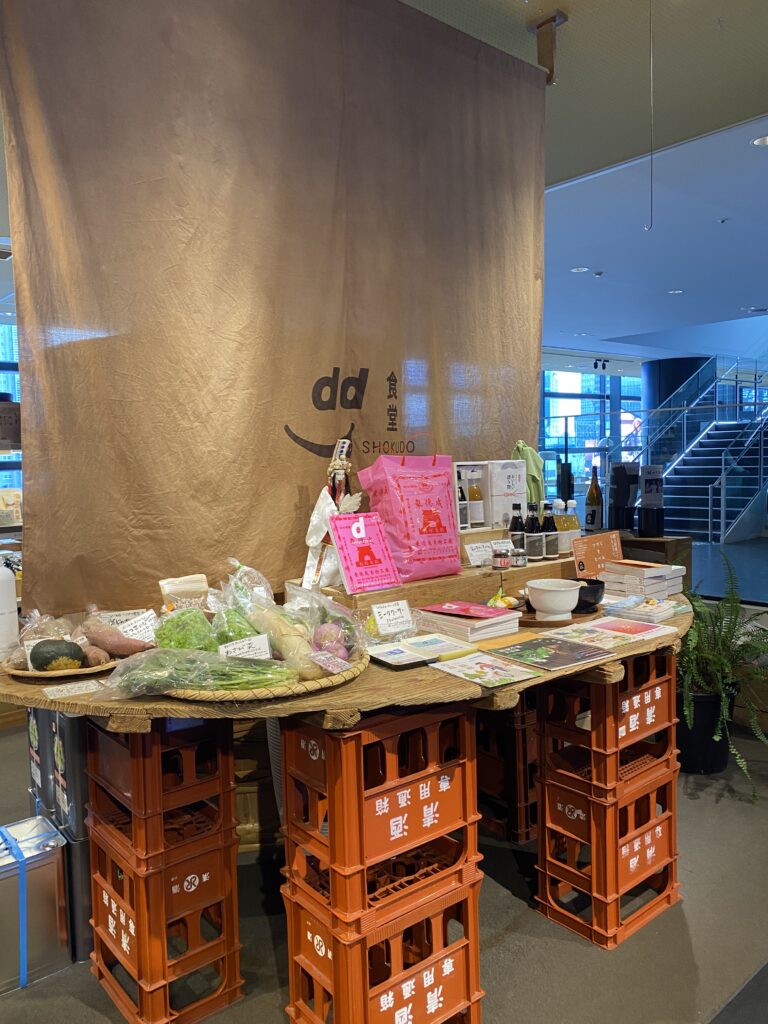
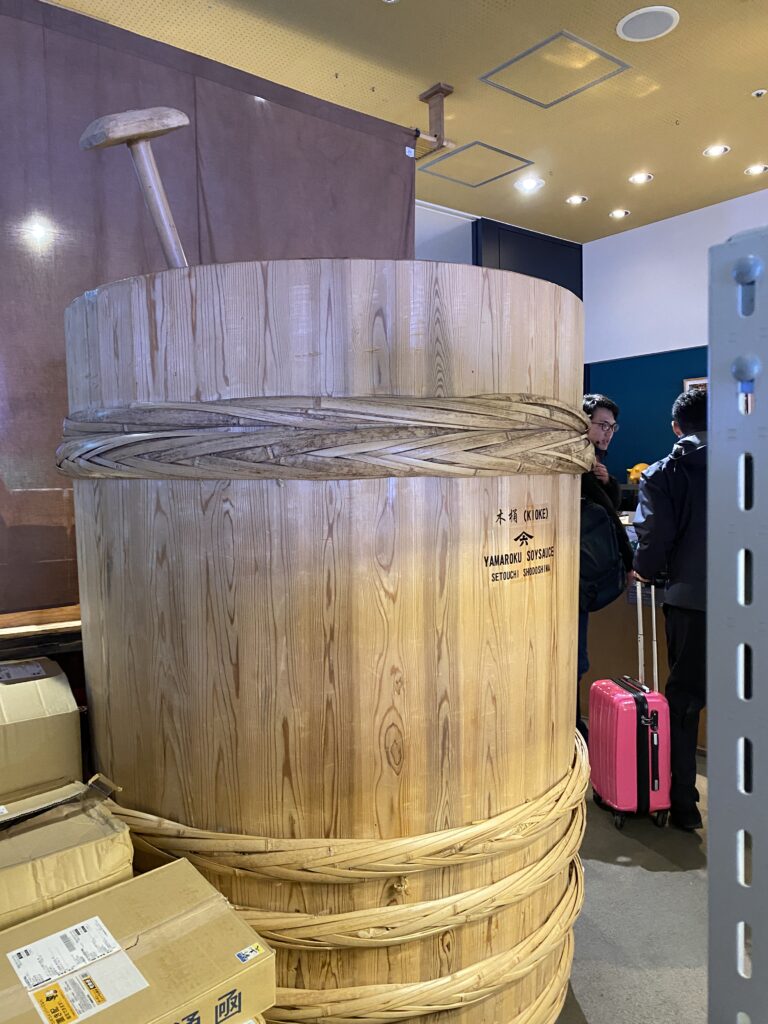
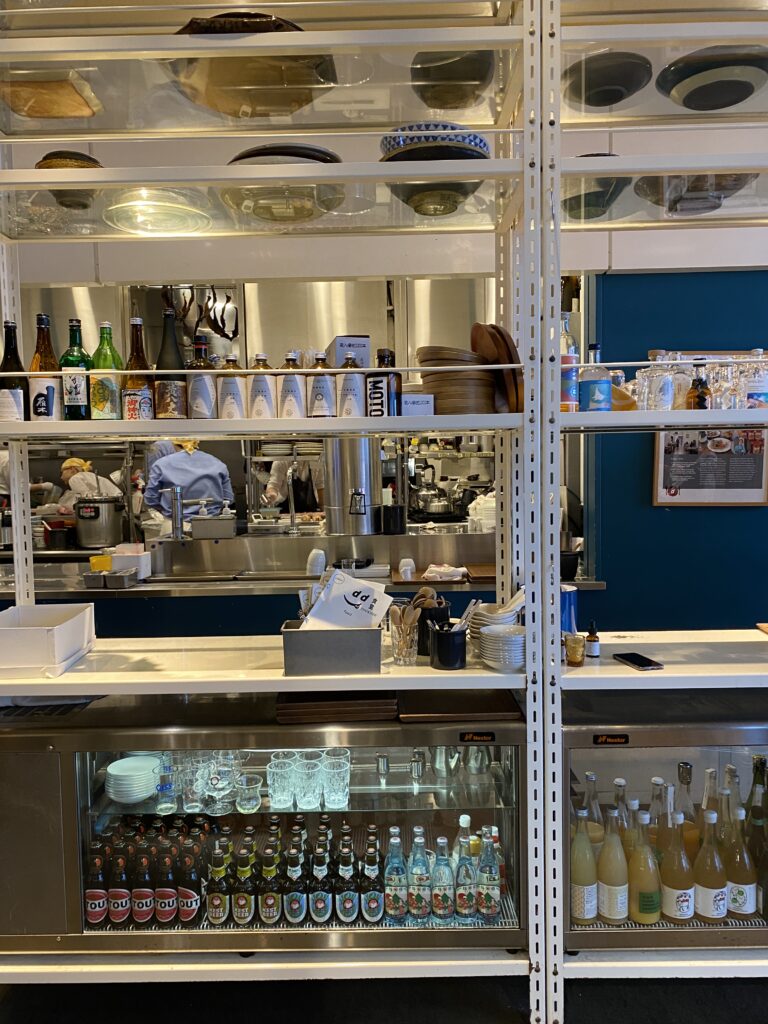
Also run by D&DEPARTMENT, this café and restaurant operates on a concept I love: every item on the menu represents a different Japanese prefecture.
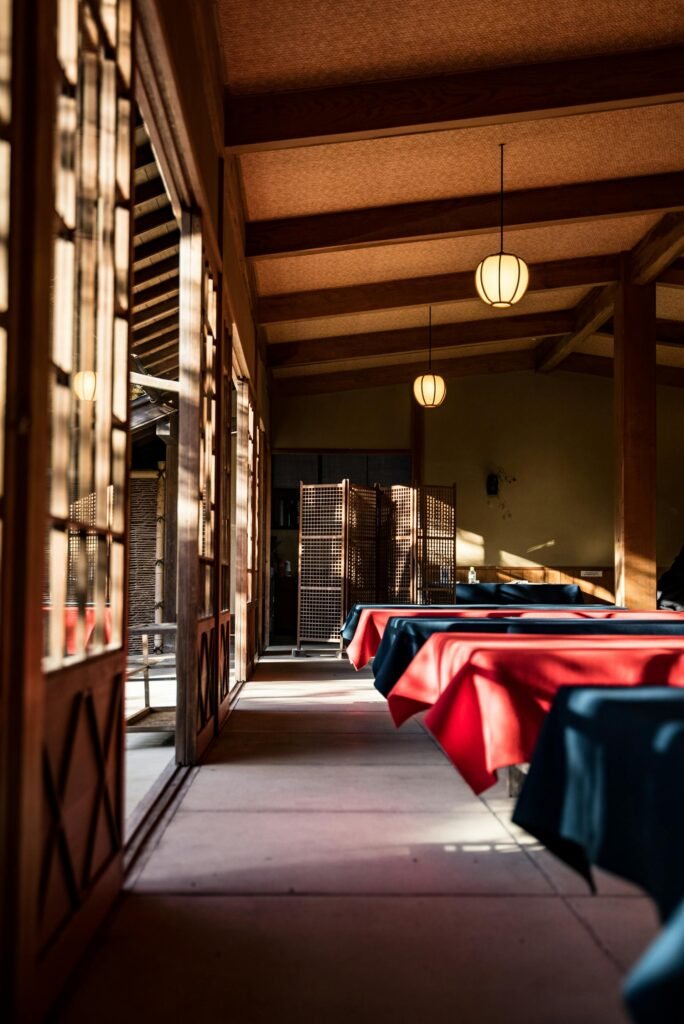
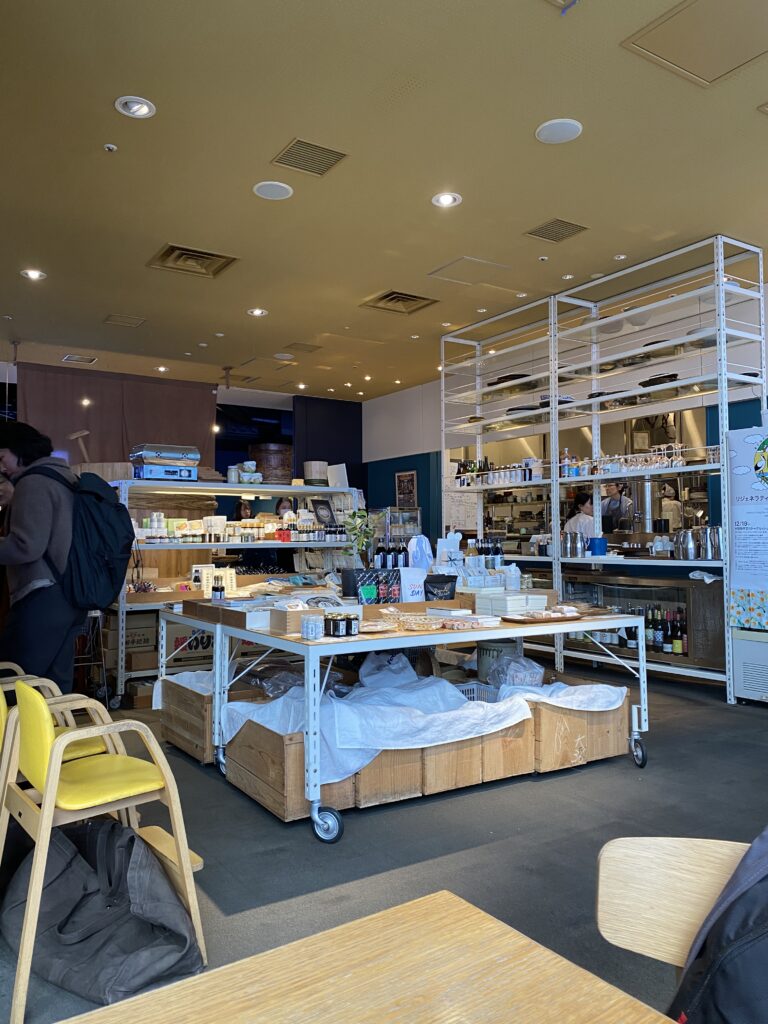
Lunch is a proper meal — set menus featuring regional cuisine from wherever the current spotlight is. Evening flips to a more izakaya-style bar setup. And if you just want a drink and a sit-down after walking around the gallery, they’re completely welcoming of that too.
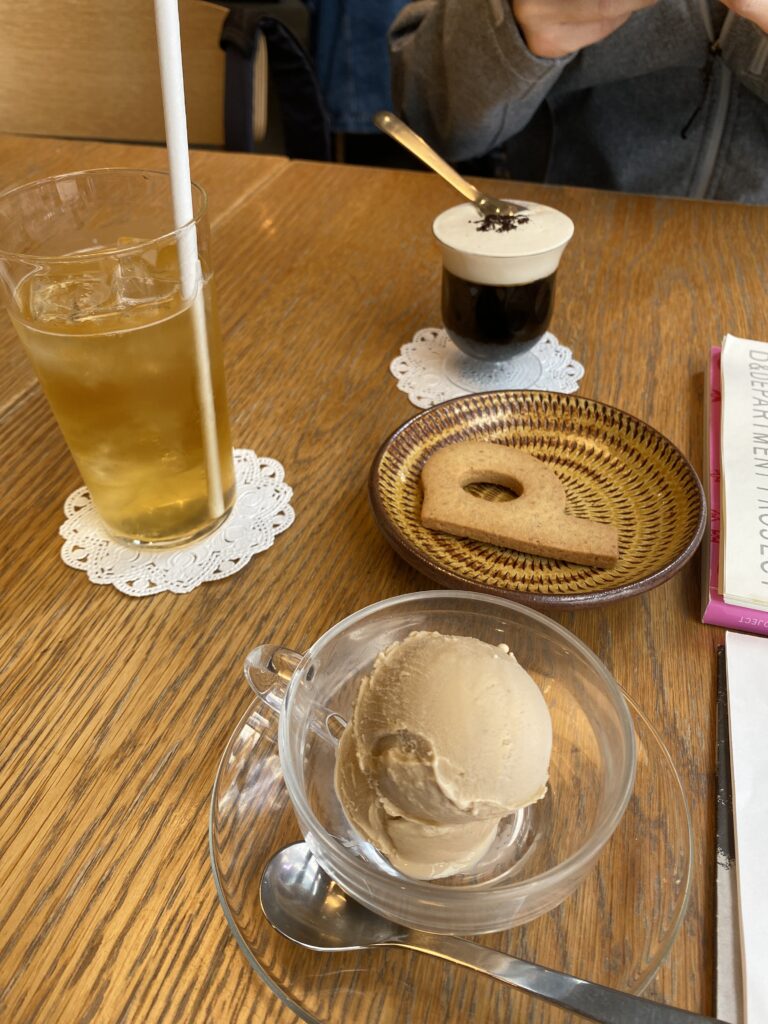
We stopped in around 3pm, already full from lunch, so we kept it simple. My husband ordered a coffee jelly — made with coffee sourced from a specific region of Japan — and I had a tea soda (literally sparkling tea, and yes, it’s as refreshing as it sounds) and a scoop of tea-flavoured ice cream. I stole a bite of the jelly and it was, genuinely, one of the best things I ate that entire trip.
A few things worth knowing:
- The menu is bilingual (Japanese/English)
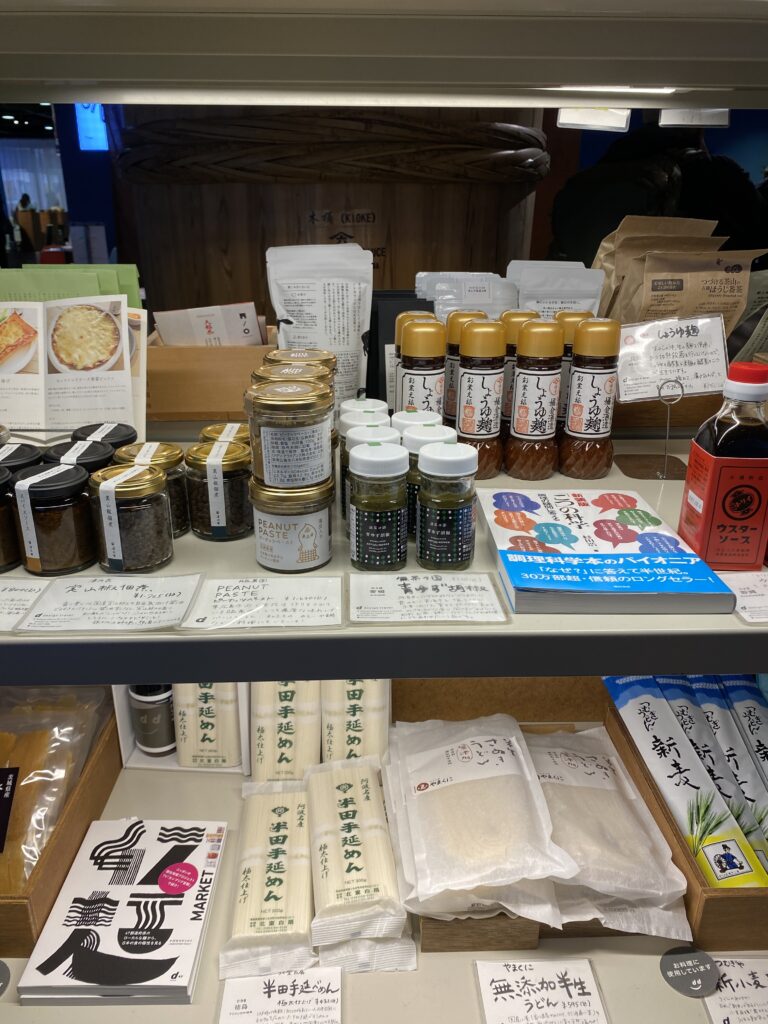
- There’s a small shop section where you can browse and buy regional products without ordering a meal
- Window seats look out over Shibuya — it’s not a panoramic view, but it’s a nice backdrop for a slow afternoon
Hours:
Lunch: 11:30–16:00
Bar: 18:00–21:00
Closed Wednesdays
I will absolutely be going back for a proper meal next time. And probably the sake.
The Kyoto D&DEPARTMENT location also has a d47 shokudo — details in my Kyoto piece
📚 Shibuya ○○ (Maru Maru) Shoten
This one caught us completely off guard.
Among the clean, minimal design spaces of the 8th floor, one corner had a distinctly different energy — a little scruffier, a little more chaotic, kind of underground-feeling. The kind of place that in London might be a zine shop, or in Paris a secondhand philosophy bookshop.
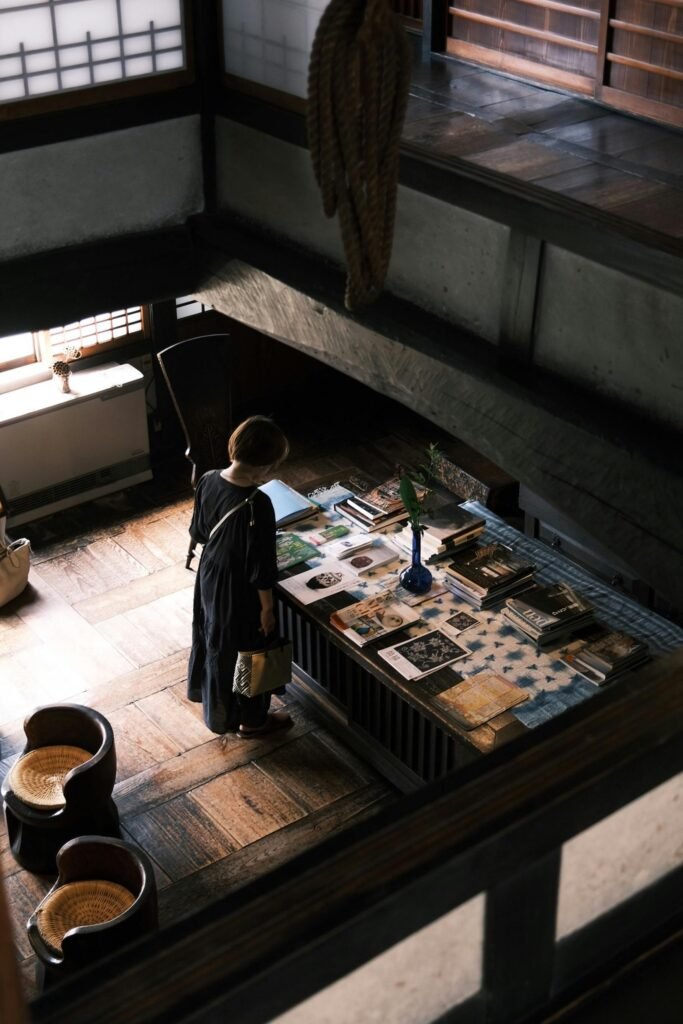
It turned out to be Shibuya ○○ Shoten — a “share-style bookshop”. The concept: small shelf spaces (roughly 30cm square) are rented out monthly to individuals, who each curate and sell their own selection of books. Each person renting a shelf is called a tana-nushi — a “shelf owner” — and they’re part-time shopkeepers in the most charming, low-key way.
The result is a bookshop that reads like a portrait gallery of its contributors. You can genuinely tell a lot about a person from their shelf. One might be all esoteric manga and film zines. Another might be neatly arranged art books with handwritten price tags. Another might be vintage cookbooks and old travel journals.
We didn’t have enough time to properly browse, which I’m still mildly upset about. But even ten minutes in there gave me that specific happiness that only good bookshops give. Even if you can’t read Japanese, the atmosphere is worth it.
🌆 The Sky Lobby (11F) — The Free View
And now, back to where this whole adventure started.
The original reason we went to Hikarie in the first place was that we wanted to see Shibuya from above, but we weren’t ready to commit to the price of Shibuya Sky. Looking up at Hikarie from the street, we thought: that’s tall enough. Let’s try.
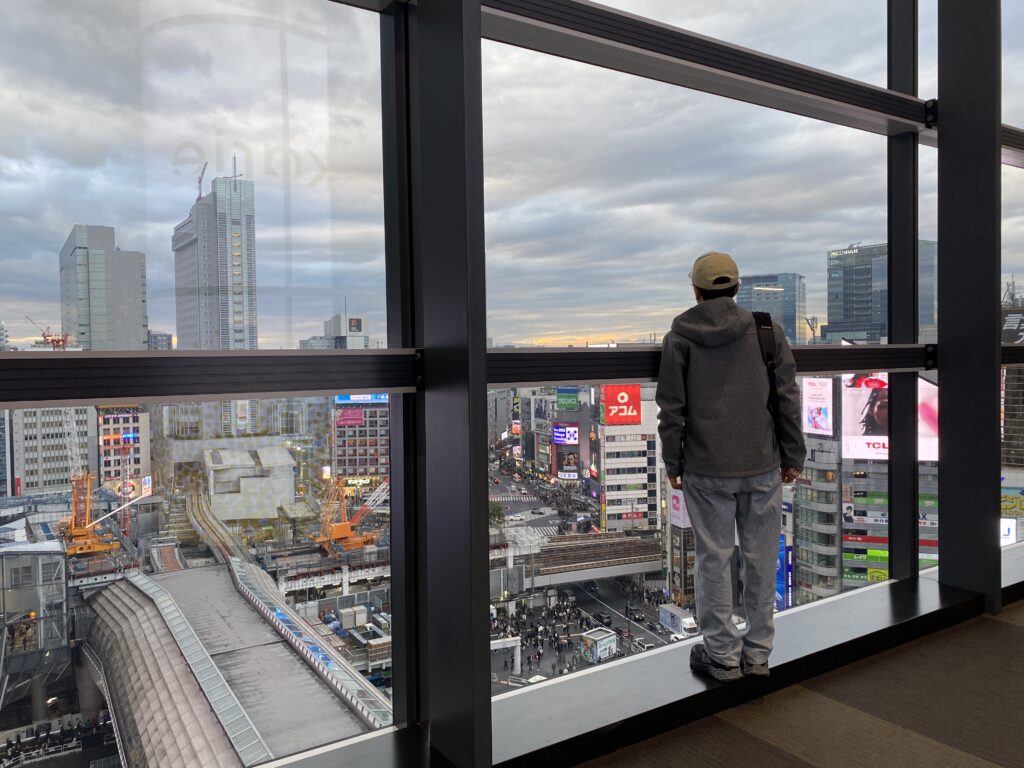
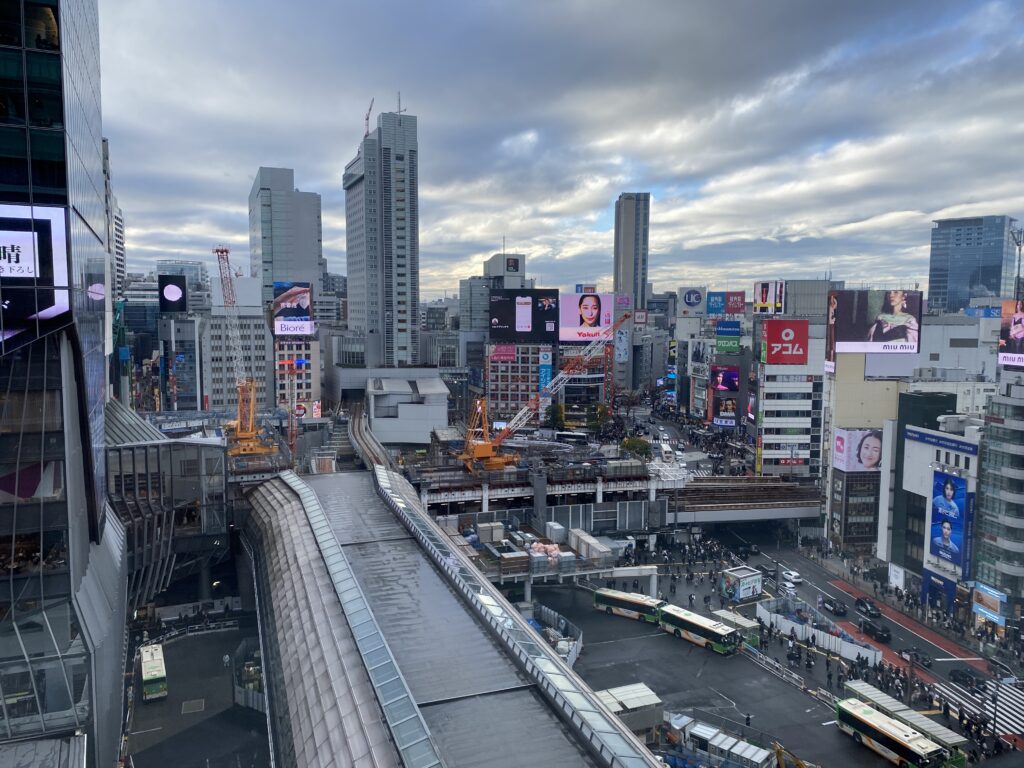
Technically, some views start from the 8th floor — and they’re already impressive. But the real payoff is the 11th floor Sky Lobby, which is open to the public, completely free, and surprisingly uncrowded.
Is it the same as a proper 360° observation deck? No. You’re not going to get that sweeping bird’s-eye panorama. But what you do get is a genuine elevated view over part of Shibuya, without the ticket queue, the souvenir shop gauntlet, or the entrance fee. On a clear day, it’s genuinely lovely. And on a busy Tokyo trip when your feet are tired and your budget is stretched, “genuinely lovely and free” is a very good combination.
This is the definition of a 穴場 (anaba) — a Japanese word for a hidden gem that insiders know about and tourists haven’t found yet. There’s no real English equivalent that captures it quite as well.
How to Visit — Practical Tips
Getting there: Shibuya Hikarie is directly connected to Shibuya Station (Exit 15, or via the underground passage from the Tokyu/Metro lines). No need to go outside — very handy on rainy days.
Floor guide: [8F] d47 museum, d47 shokudo, Shibuya ○○ Shoten [11F] Sky Lobby (free, public access)
Best time to visit: Weekdays are likely to be quieter than weekends. Check what’s currently showing at d47 museum before you go — it genuinely changes the experience.
Costs:
- d47 museum: Donation-based — you’re welcome to visit for free, though contributing is appreciated
- d47 shokudo: Café-level pricing for drinks and desserts
- Sky Lobby: Free
Good to know:
- English support throughout — menus, museum labels, and staff are generally accommodating
- The bookshop doesn’t require any Japanese to enjoy, though being able to read does add to it
- Easy to combine with other Shibuya things — it’s literally in the station
Final Thoughts
Honestly, the best discoveries on a Japan trip are rarely the ones you plan.
We went to Hikarie’s 8th floor because we didn’t want to spend money on an observation deck. We left with a new appreciation for how Japan celebrates its regions, the memory of a very good coffee jelly (shared — and absolutely worth it), and a list of reasons to go back.
If you’re heading to Tokyo and you want something that goes a little deeper than the standard Shibuya checklist — this is it. Head to the 8th floor. Take your time. Get the coffee jelly.
Have you been to Shibuya Hikarie, or found any unexpected hidden gems on a Japan trip? I’d love to hear about it — drop a comment below. 🌸