
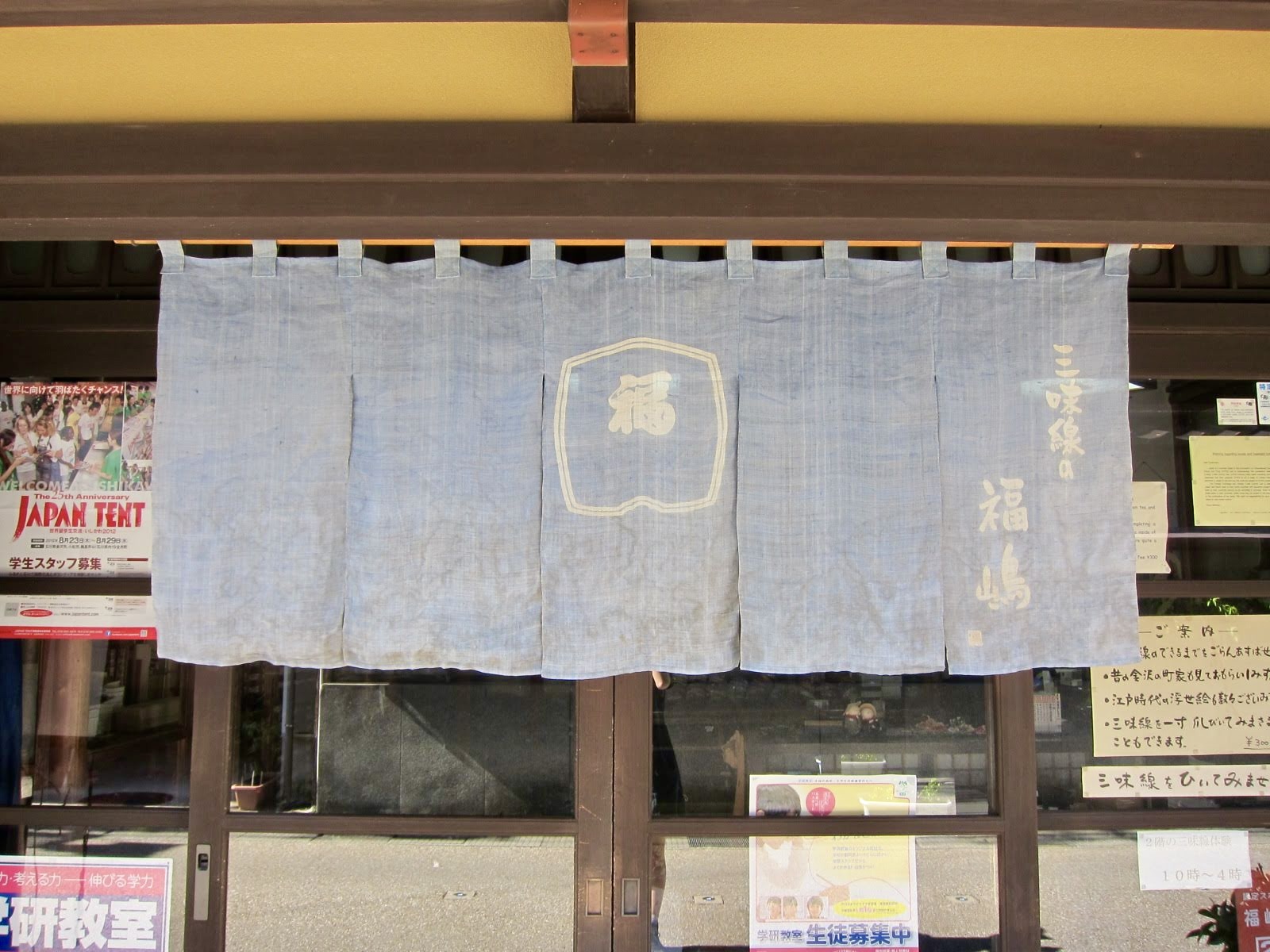
I’ll be honest: I didn’t truly understand wabi-sabi until I found myself in an art gallery in Christchurch, staring at a slightly uneven, cracked ceramic bowl for five minutes.
I grew up with the term, of course. But for me, like many Japanese people, it just meant “traditional” or “rustic“. It was a word I’d been using without really getting it. That afternoon in Christchurch, as I looked at that bowl, I finally realised what my ancestors were on about. It’s not about things being old or shabby. It’s about the soul in the crack.
For years, living in Japan, I took these aesthetics for granted. But after a decade in New Zealand, I’ve realised that what many people call “Japanese aesthetics” in the West is often just a polished, Instagram-friendly version of the truth. People think it’s all about empty rooms and expensive beige ceramics.
It’s not. It’s much more “friction-heavy” than that.
✔️Quick Take
Experience-First: Aesthetics in Japan are a “gut feeling” (an internal sense of balance) rather than a set of visual rules.
The Beauty of ‘Less’: Restraint isn’t about being empty; it’s about making what remains matter more.
Insider’s Secret: Once you stop looking for “perfection,” you start seeing the real story behind every object.
Beyond the Buzzwords: The Three Pillars
1. Wabi-sabi: It’s not “Rustic Chic”
Everyone loves the word wabi-sabi, but it’s often misunderstood as just “rustic chic.”
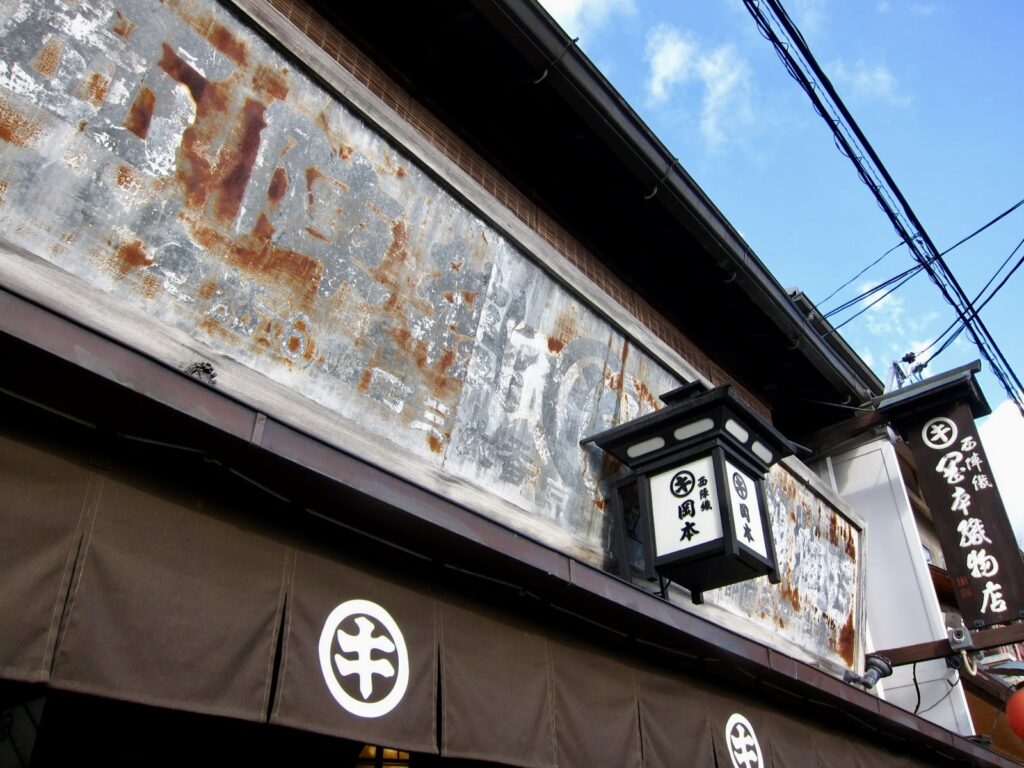
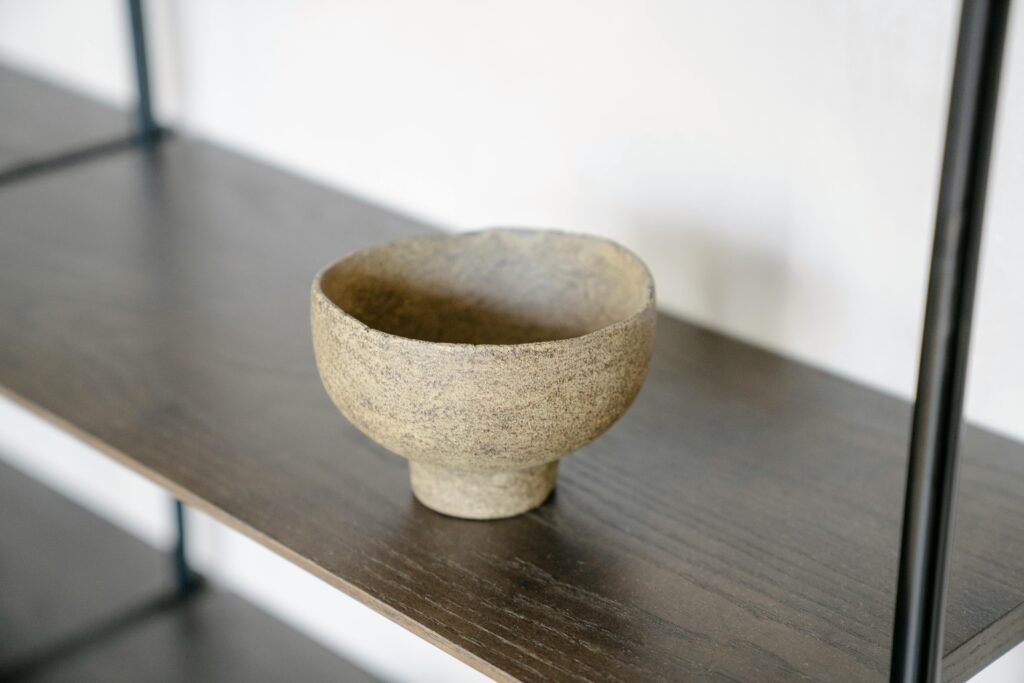
To me, wabi-sabi is about the “perfectly imperfect.” It’s the beauty found in things that are weathered, slightly uneven, or even broken. It’s that tiny pinch in your heart when you see a hand-mended cup and realise that its “flaw” is actually its best feature. It’s a moral stance: a refusal to value things only because they are new or shiny. In a world obsessed with the “ideal,” wabi-sabi celebrates the fact that nothing lasts, nothing is finished, and nothing is perfect.
My verdict: Don’t bother with “wabi-sabi inspired” furniture from mass-market retailers. It’s a contradiction. Instead, go to a local pottery market and find the piece that looks like it’s had a life before you. Trust me, it’ll feel better in your hands.
2. Ma (間): The Shared Beauty of Silence
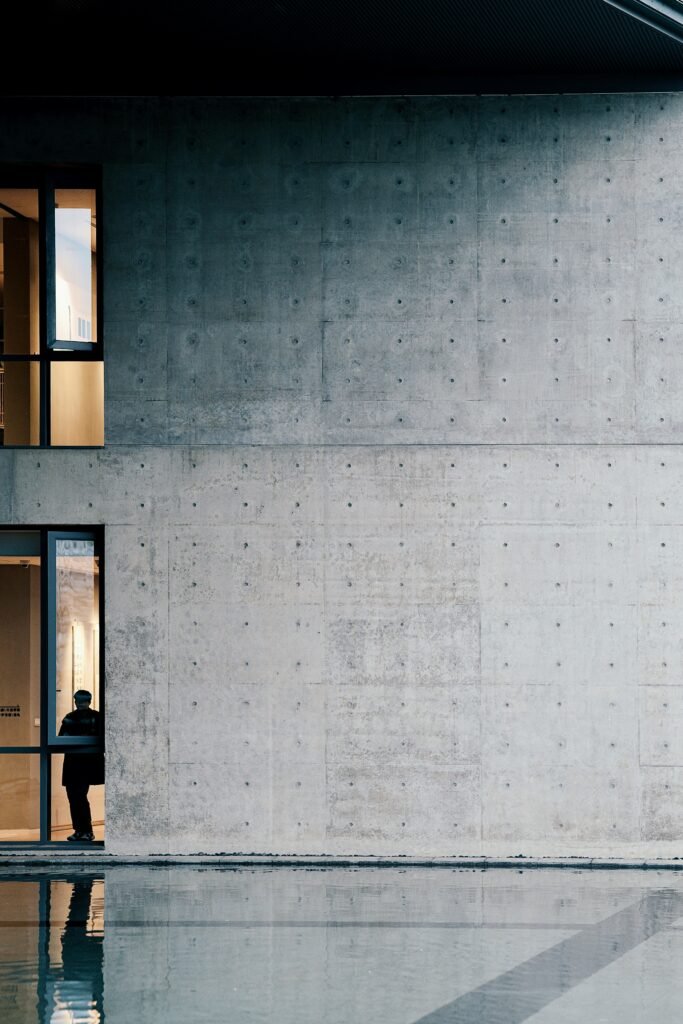
In the West, empty space is often seen as something to be filled. In Japan, we treat it as a structural element called ma.
But here’s what I’ve realised living in Aotearoa: we actually share this. In NZ, there’s a real appreciation for design that breathes—wide landscapes, uncluttered rooms, and even the way people speak. In Japan, ma isn’t just for architecture; it’s essential in conversation. We don’t fear the pause. We let a sentence hang in the air for a moment before replying. It’s not awkward; it’s respectful.
I’ve always been drawn to architecture and spaces that protect this ma. It’s why I find myself clearing out furniture on weekends—not to be a “minimalist,” but because I want to feel the air move. If you’ve ever walked into a room and felt you could finally breathe, you’ve experienced ma.
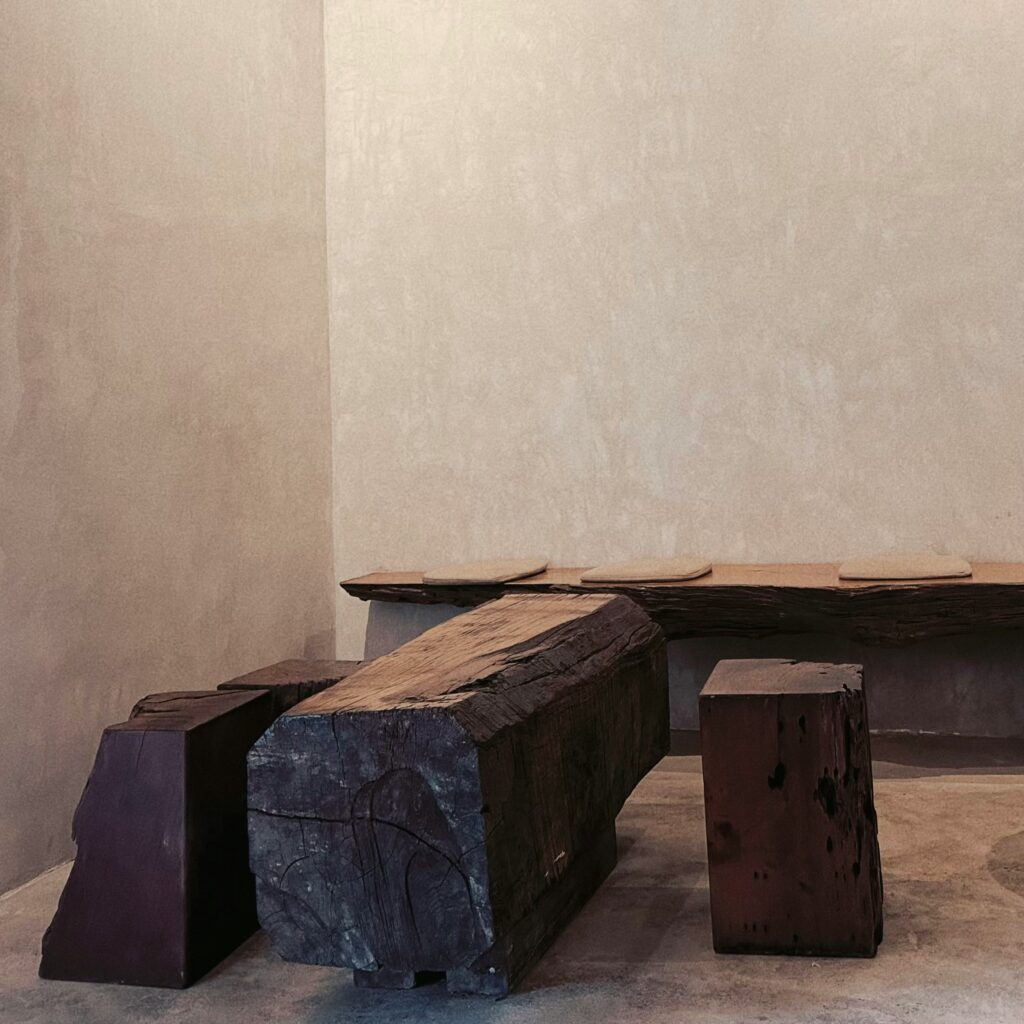
3. Shibui (渋い): The “Cool” You Don’t Notice
While wabi-sabi is about vulnerability and the marks of time, shibui is about depth and restrained mastery. It’s the kind of quality that doesn’t shout for your attention, but the longer you look at it, the more you notice.
Think of it as an understated elegance—quality that doesn’t need a logo. I’m teaching this to my son in the most practical way possible: through cars. In NZ, you see so many classic vehicles still on the road. Whenever we spot an old 80s campervan or a boxy 90s Toyota Land Cruiser—rugged, slightly worn, but undeniably cool—we say, “Shibui ne.” He’s learning that something doesn’t need to be shiny to be attractive. It’s about “vintage with character.” It’s the opposite of “fast fashion.” It’s a dark wooden table that’s been polished by sixty years of use, or a voice that has grown richer with age. If wabi-sabi is the beauty of a falling leaf, shibui is the quiet strength of the tree itself.
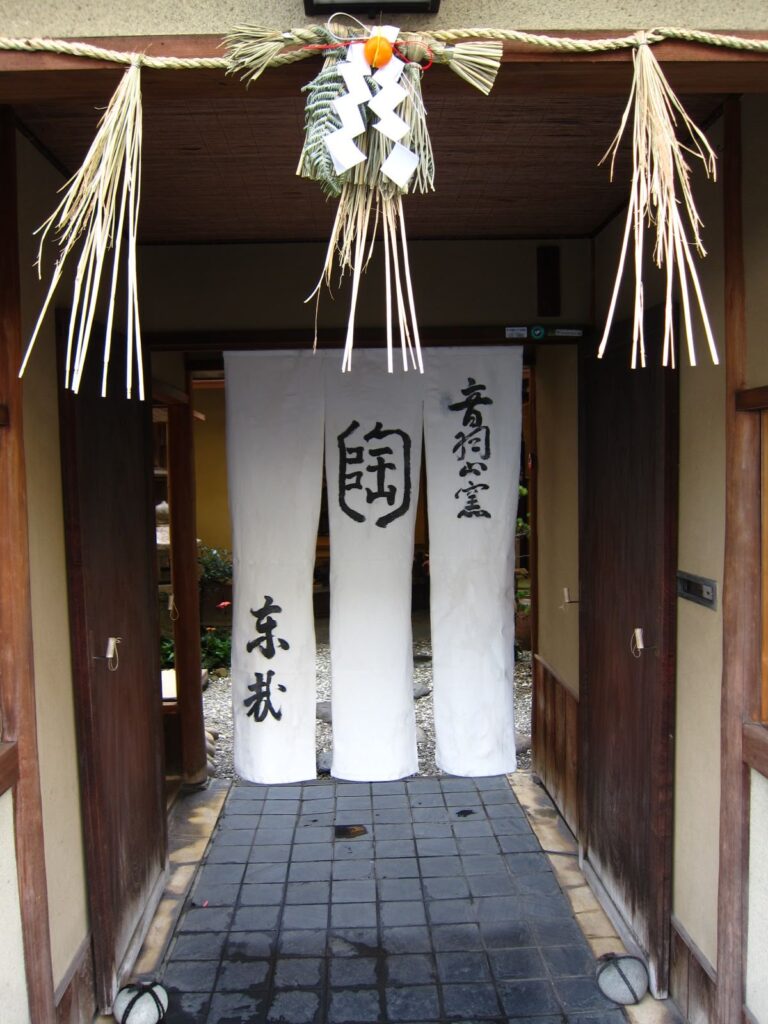
My Tip: If an object is trying too hard to look “Japanese” (too many bamboo motifs or decorative kanji), it’s not shibui. True elegance is found in the things that don’t need to explain themselves.
Why This Matters for Your Life
You might wonder, “Yuka, this is all very poetic, but how does it help me?”
Understanding these concepts has changed the way I shop and how I spend my time. It’s about finding a version of beauty that’s less interested in perfection and more interested in attention.
Practical Section: Where to Experience This
If you are in Japan (or planning a trip), skip the “Instagrammable” spots and try these:
- The Nezu Museum (Tokyo): The architecture by Kengo Kuma is a masterclass in ma
- D&DEPARTMENT: This is my go-to for finding that elusive sweet spot where old-school shibui meets modern Japanese elegance. They curate regional crafts that have been beautifully ‘polished’ for a contemporary lifestyle, yet they never strip away the rugged, time-tested soul of the object. It’s a perfect mix of sophisticated design and “good old” Japanese grit. I’ve written about their brilliant curation at their Shibuya Hikarie space here, which is a must-visit if you want to see how traditional craftsmanship can feel entirely current.
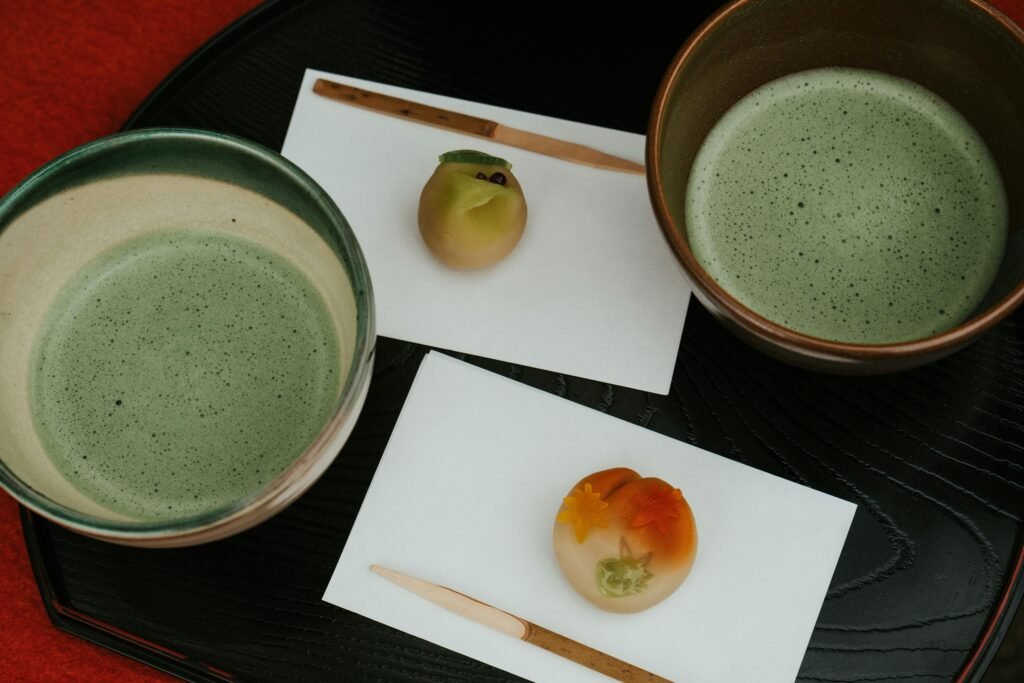
- A local “Kissaten”: These old-school coffee shops are where you’ll find wabi-sabi in the wild—chipped saucers and dark wood.
I used to think that “Japanese design” was a set of rules I had to follow. Now, I realise it’s more like a lens. Since I started looking for the ma and the shibui in my own life here in NZ, my home doesn’t just look better—it feels like a place where I can actually think. And that, I believe, is the whole point.