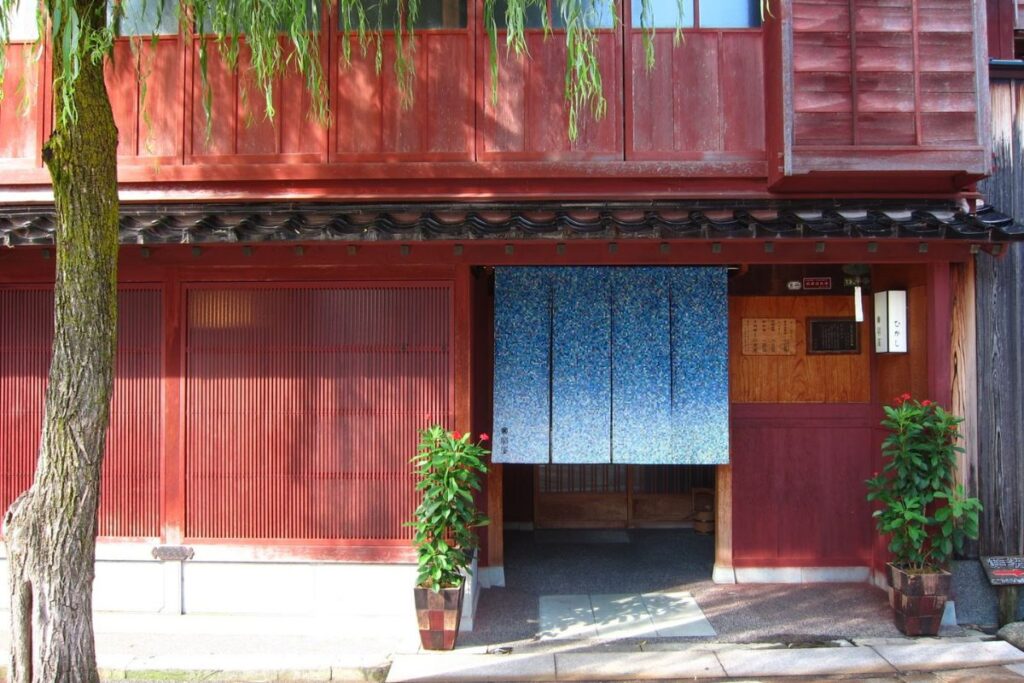

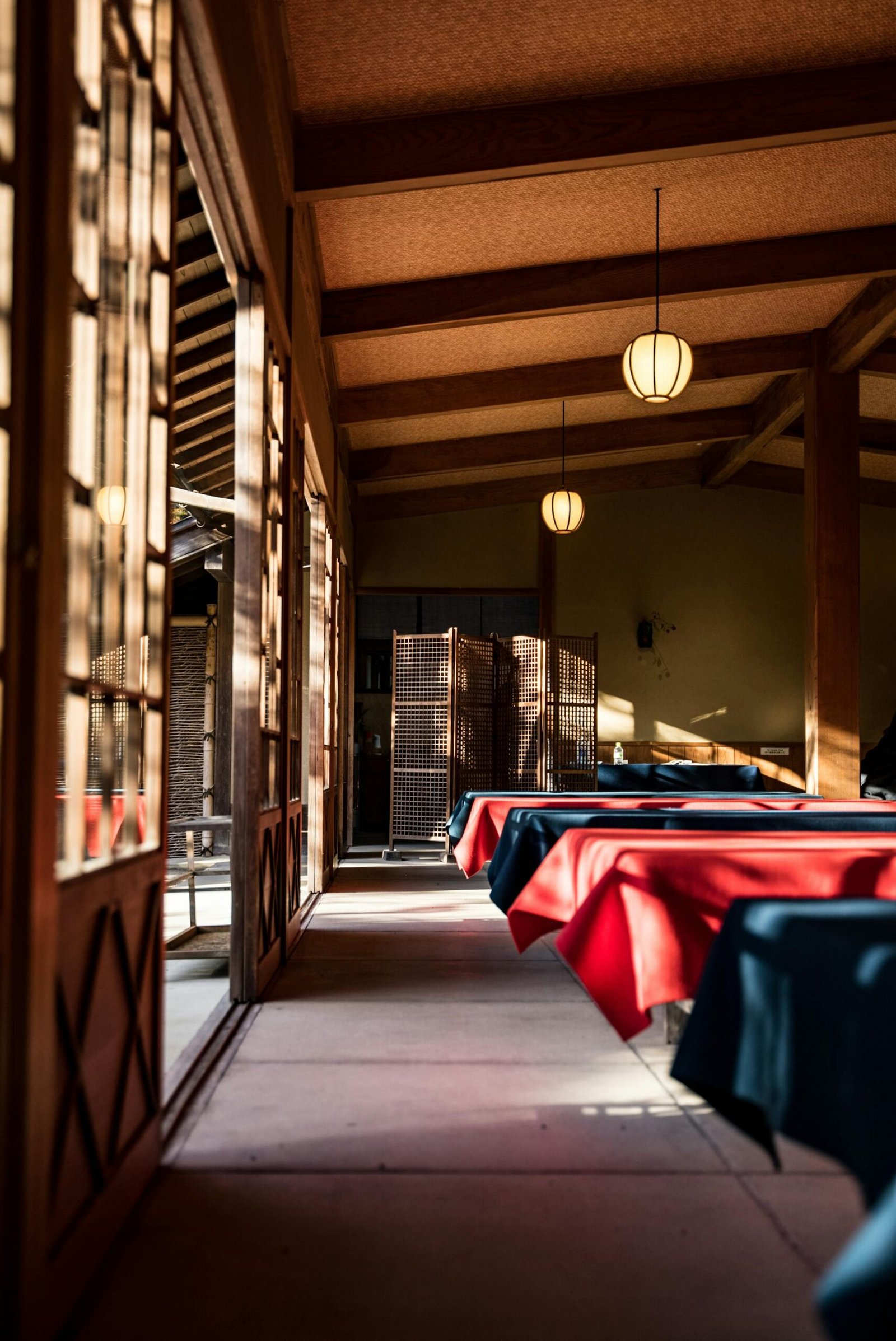
Kyoto, Japan’s ancient capital. Most people picture shrines and temples, right? And yes — the historic streets, the machiya townhouses, the quiet weight of 1,200 years of history — I love all of it. But here’s what often gets overlooked: Kyoto is also one of the most creatively alive cities in Japan.
For anyone who loves design, Kyoto might just be the ultimate destination. It’s a city where a 400-year-old craft tradition and cutting-edge contemporary art sit comfortably side by side — and somehow, that contrast feels completely natural. As someone with a background in design, now living in New Zealand, I find myself constantly looking back to Kyoto for inspiration. No other city quite does what Kyoto does.
This guide is all about experiencing Kyoto through that lens — as a design capital, not just a heritage site. A slightly different angle for art lovers, design enthusiasts, and anyone curious to see a side of Kyoto that rarely makes it into the typical guidebook.
How to use this guide: Jump straight to whatever catches your interest in the table of contents below. Read it all or just pick what you need—totally up to you.
Table of Contents
Getting to Kyoto & Getting Around
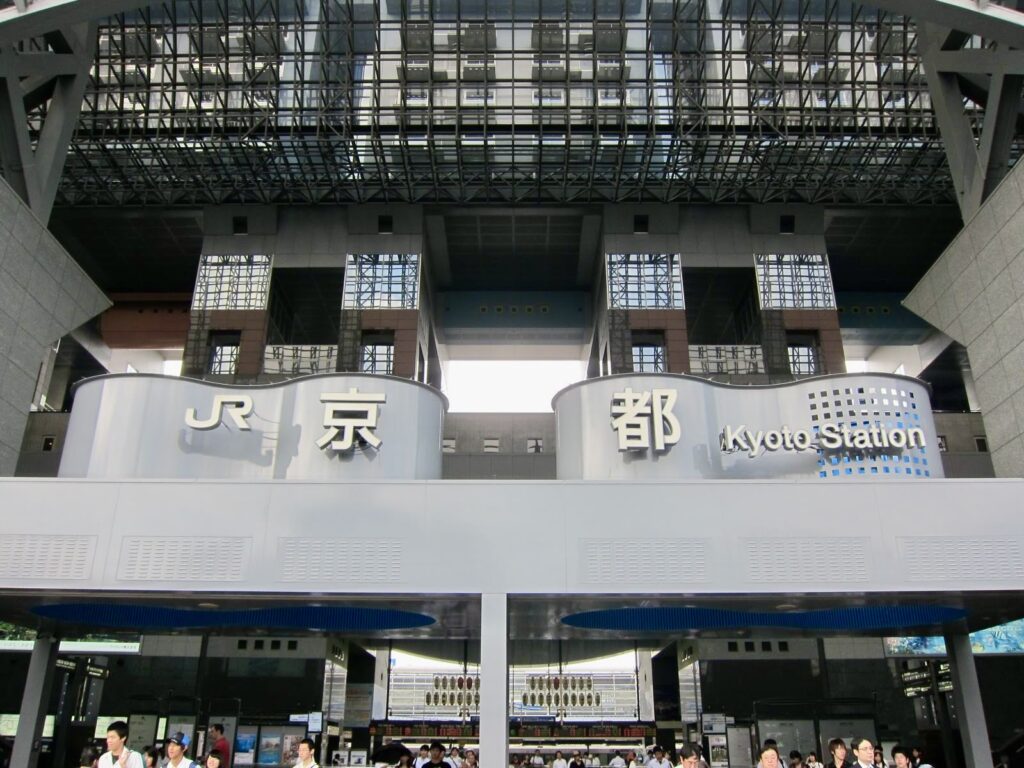
How to Get to Kyoto
Kyoto doesn’t have an international airport, so you’ll be coming through Tokyo or Osaka.
🚅 From Tokyo
Shinkansen (Bullet Train)
From Tokyo Station to Kyoto Station: about 2 hours 15 minutes on the Nozomi, or 2 hours 40 minutes on the Hikari. Fast, comfortable, and you might even catch a glimpse of Mt. Fuji from your window.
Flight + Train
Fly from Haneda or Narita to Osaka Itami Airport, then take a bus or train to Kyoto. Total time: around 3–4 hours.
Overnight Bus
Budget-friendly option. Takes 7–9 hours, but you’ll sleep through most of it (hopefully!). Reclining seats and onboard toilets included.
✈️ From Osaka
Haruka Express
From Kansai International Airport (KIX) to Kyoto Station in about 75 minutes. The easiest option.
Limousine Bus
Direct from KIX to Kyoto Station, takes about 90 minutes. Great if you have lots of luggage.
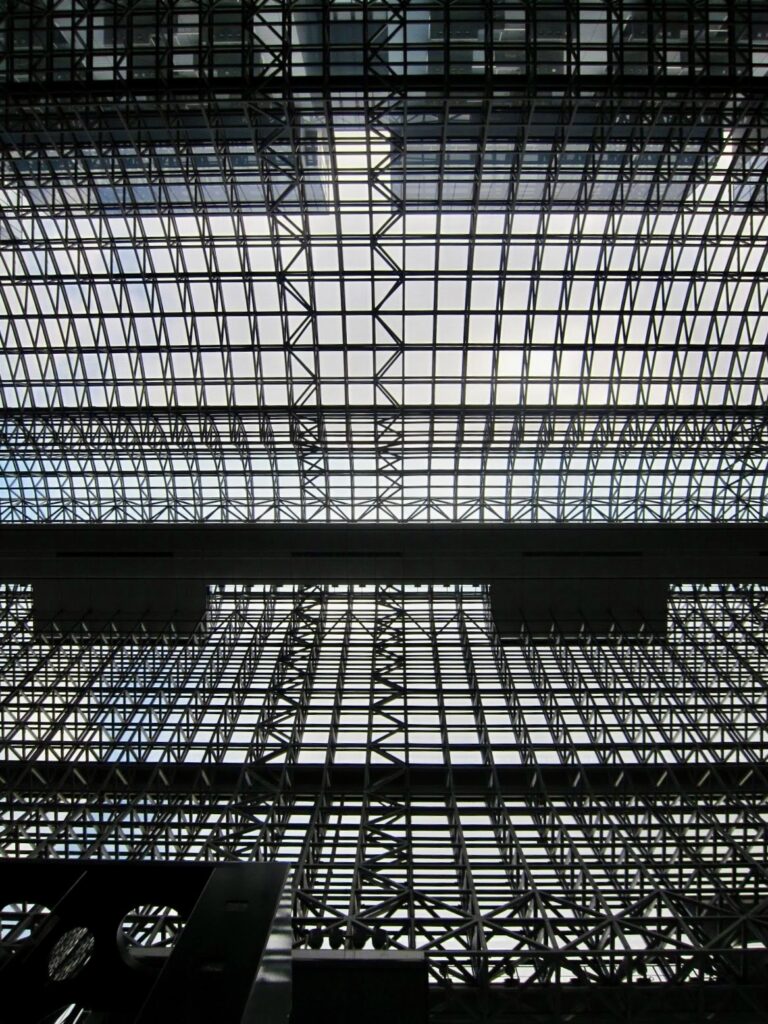
How to Get Around Kyoto
Kyoto’s laid out in a grid, so it’s surprisingly easy to navigate.
🚲 By Bicycle
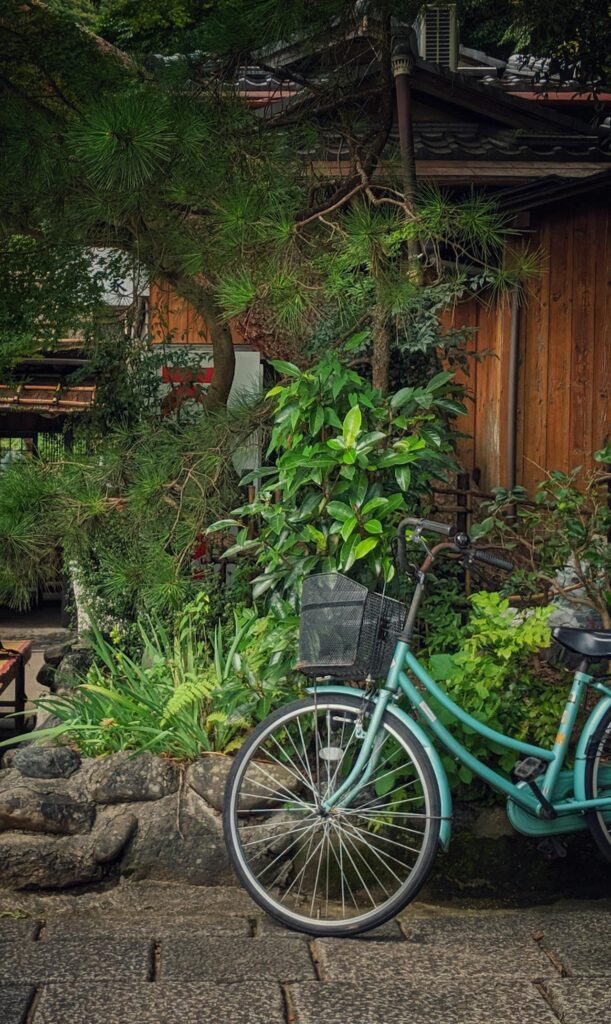
Kyoto is flat and bike-friendly, making cycling the perfect way to explore. You can take your time, enjoy the scenery, and discover hidden gems along the way.
- Rental options: PIPPA, Kyoto Eco Trip, and others
- Around ¥500–¥1,000 per day
🚌 By Bus
Great for reaching temples and shrines, but buses can get crowded during peak tourist season.
- City Bus Day Pass: ¥700 for unlimited rides
- Use Google Maps for route planning
- Tip: Avoid rush hour—early mornings or late afternoons are best
🚇 By Subway
Two lines (Karasuma and Tozai) cover the main areas efficiently.
- IC cards (ICOCA, Suica, PASMO) accepted
- Perfect for quick trips around the city centre
🚶 On Foot
If you stick to one area, walking is totally doable. Gion, Higashiyama, and Nakagyo are all within walking distance of each other.
Best Time to Visit
Spring (March–May)
Cherry blossom season. Absolutely stunning, but expect massive crowds.
Autumn (October–November)
Fall foliage season. Just as beautiful as spring, slightly less crowded (but still busy).
Summer (June–August)
Hot. Like, really hot. And humid. But if you’re here in July, don’t miss the Gion Matsuri festival. Mid-August is peak domestic travel season, so crowds increase then too.
Winter (December–February)
Cold, but fewer tourists compared to other seasons. You can enjoy Kyoto in relative peace. Snow-covered Kinkaku-ji (Golden Pavilion) is breathtaking.
My recommendation:
Spring and autumn are peak for a reason, but summer and winter each have their charm. If you hate crowds, winter weekdays are your best bet.
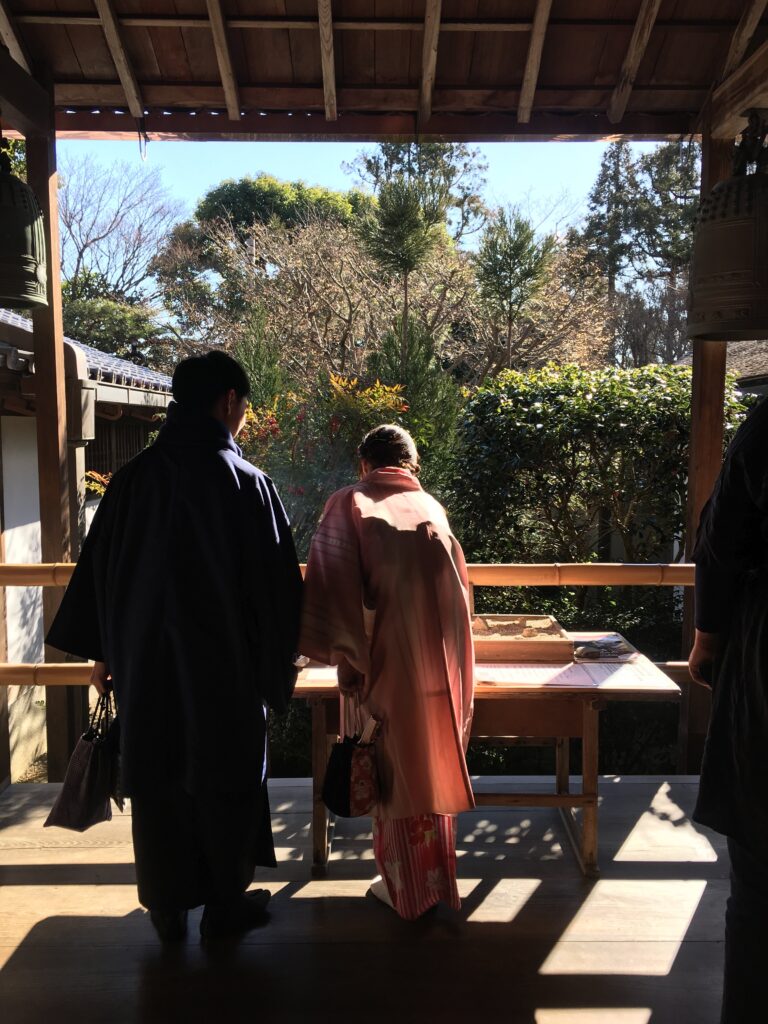
Kyoto’s Design Scene by Theme
Alright, here’s where you can jump around. I’ve broken down Kyoto’s design scene by category.
🎨 Contemporary Art & Galleries
“Wait, Kyoto Has Contemporary Art?” — Yes, and It’s Thriving.
Two kilometres from Kinkaku-ji, an avant-garde artist is holding an exhibition. That contrast? That’s what makes Kyoto fascinating.
Kyoto’s contemporary art scene is surprisingly vibrant. And here’s the cool part—artwork often shows up inside historic buildings. Seeing experimental installations in a renovated machiya creates this beautiful tension between tradition and modernity that makes the art even more compelling.
Y Gion
Located in Gion, this multi-use space transformed an old mixed-use building (formerly home to snack bars and small businesses) into galleries and more. The contrast of contemporary art inside a weathered building is striking. Focuses on emerging Japanese artists.
The Terminal
A former kimono merchant’s machiya turned gallery-café-guesthouse. The deep layout and high earthen-floor atrium make it perfect for installations. Architecture lovers should check out the exterior alone.
Most small galleries don’t require reservations—just pop in. Check their hours and stop by whenever you’re nearby.
→ Want to dive deeper? 🎨 Kyoto for Art Lovers: Contemporary Galleries and Timeless Museums
🏛️ Museums & Cultural Spaces
“Museums That Feel Like Art Themselves”
In Kyoto, museums aren’t just about what’s inside—the architecture itself is part of the experience.
Kyoto City KYOCERA Museum of Art
Built in 1933, this is a masterpiece of Showa-era modernist architecture. Renovated in 2020, it maintains its historic exterior while the interior is strikingly modern. Architecture enthusiasts should see this even if they skip the exhibitions.
Fukuda Art Museum
A relatively new museum in Arashiyama showcasing Japanese paintings from the Edo period to modern times. The real draw? The windows frame views of Togetsukyo Bridge and the Arashiyama mountains—it feels like part of the exhibition.
Kyoto museums aren’t about rushing through galleries. They’re about experiencing space. Slow down. Sit in one room for a while and just absorb it.
→ Want to dive deeper? 🏛️ Kyoto for Art Lovers: Contemporary Galleries and Timeless Museums
☕ Tea Culture & Modern Tearooms
“Tea Culture, Reimagined”
Kyoto is famous for matcha, obviously. But it’s not just about drinking a matcha latte—it’s about experiencing tea culture.
Tea is like a gateway into understanding Japanese culture. The vessel, the space, the ritual—everything is designed. And in Kyoto, you can experience tea both traditionally and in modern interpretations.
Ippodo (Traditional)
A 300-year-old tea shop with an attached café where you can sample different types of tea. Staff will patiently teach you how to brew it properly, so even beginners feel welcome.
ZENBI (Modern)
A refined tea experience in a minimalist space. The vessels, the room—everything is beautiful. It’s less about “drinking tea” and more about “experiencing beauty.”
In New Zealand, cafés are social spaces—places to meet friends and chat. But Kyoto’s tearooms are contemplation spaces. Going alone and quietly sitting with your tea? Totally normal. Actually encouraged.
→ Want to dive deeper? 🍵 Tea Culture & Modern Tearooms in Kyoto
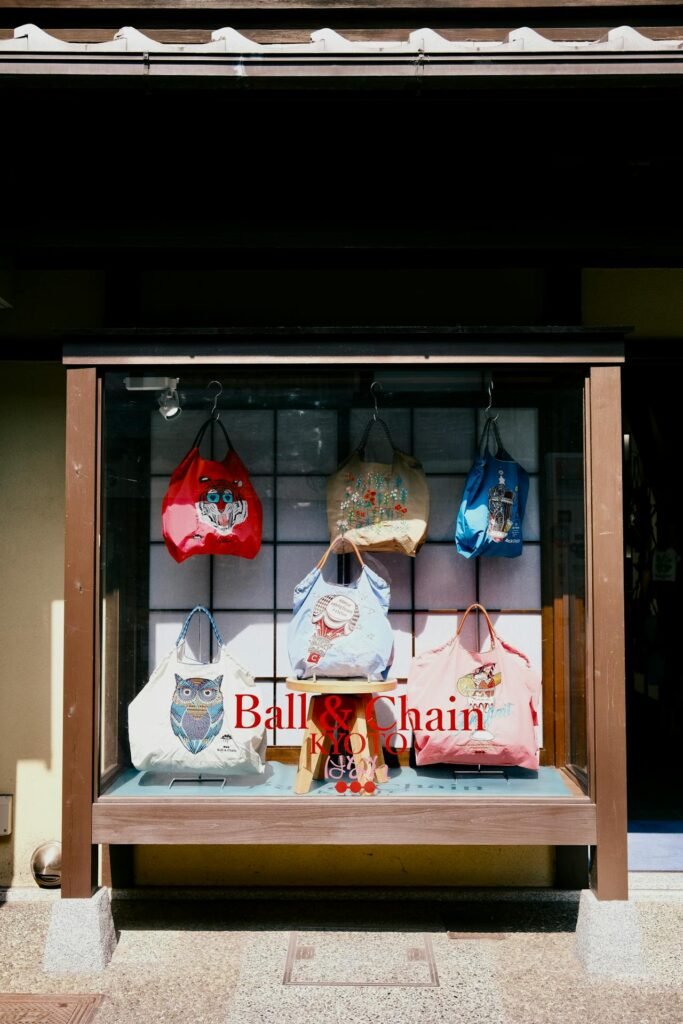
🛍️ Design Shops & Craft Goods
“Shopping for Things That Last”
Skip the generic souvenirs. Shop for things you’ll actually want to use for years.
If you’re shopping in Kyoto, keep one thing in mind: buy the real thing. Not Made-in-China tourist trinkets—look for crafts made by Kyoto artisans.
PINT
A shop featuring everyday items made by Kyoto craftspeople. Bamboo cutlery, wooden plates, tenugui hand towels. Simple, beautiful design.
D&DEPARTMENT KYOTO
A select shop curating “long-lasting design” from around Japan. Plenty of Kyoto crafts too. Perfect for thoughtful souvenir hunting.
Don’t be shy—talk to the shopkeepers. Ask, “How is this made?” or “How do you use this?” Hearing the story behind an object completely changes how you see it.
→ Want to dive deeper? 🛍️ Design Shops & Craft Boutiques in Kyoto
🪨 Zen Gardens
“Zen Gardens: The Original Minimalism”
I like IKEA minimalism as much as the next person, but Kyoto’s Zen gardens? That’s next-level.
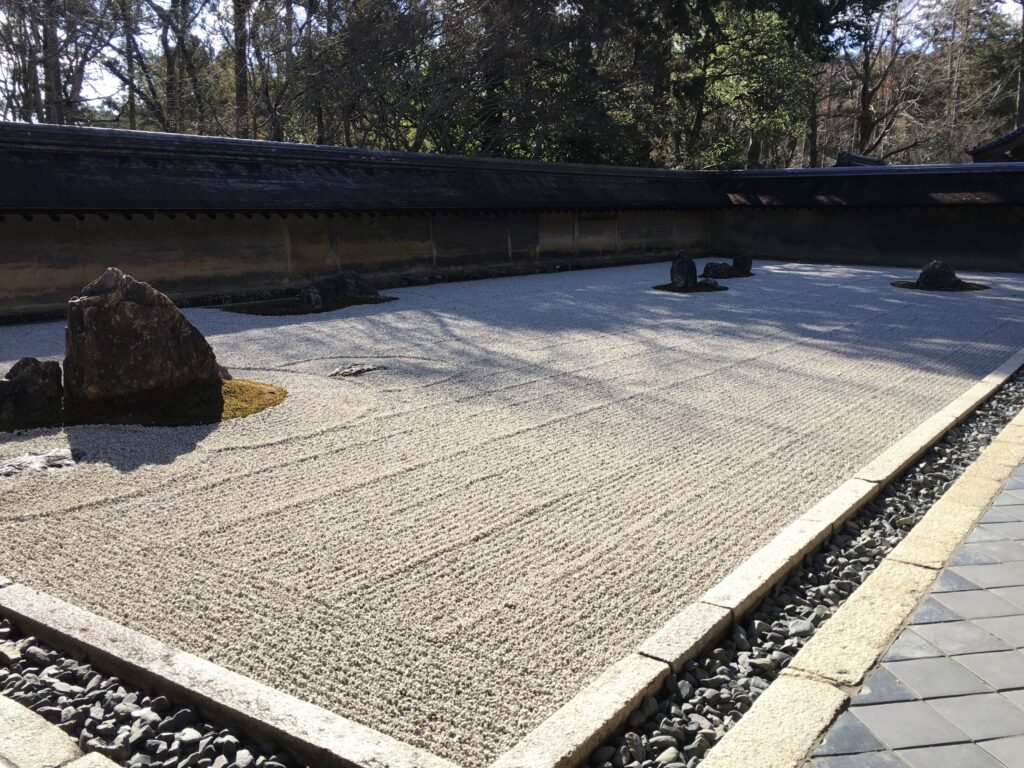
Zen gardens express the richness of “nothingness.” Stones, raked sand, moss—that’s it. And yet they represent the universe, the ocean, and mountains. Interpretation is up to you. That’s the essence of art.
Ryoan-ji Temple
The famous rock garden. Fifteen stones are arranged so that from any viewpoint, you can only see fourteen. It’s said to represent the beauty of imperfection.
Kennin-ji Temple
Kyoto’s oldest Zen temple features the striking ○△□ Garden, where geometric shapes symbolise the universe’s fundamental elements: earth, water, and fire in perfect harmony.
Go first thing in the morning if you can. Fewer people, and the way light enters the space is completely different. And don’t rush—sit for at least 30 minutes and just stare. At first, you might think, “It’s just rocks and sand.” But give it time. Something will reveal itself.
→ Want to dive deeper? 🪨 Zen Gardens in Kyoto
Art Events & Creative Calendar
If your timing lines up, definitely check these out.
Kyoto hosts art and design events year-round. If your trip overlaps with any of these, don’t miss them.
1. KYOTOGRAPHIE (April–May)
International photography festival. Exhibitions in historic buildings and contemporary spaces featuring photographers from around the world. A must for photo lovers.
[🔗Visit website]
2. Artist’s Fair Kyoto (February–March)
An art fair showcasing emerging artists. More experimental and fresh than traditional gallery shows.
[🔗Visit website]
3. Kyoto Heian Antique Market (Around the 10th of each month, dates may vary)
Antiques, handmade goods, and vintage treasures. Great for finding one-of-a-kind items like old dishware, kimono, or crafts.
[🔗Visit website]
4. Design Week Kyoto (August)
Design studios and workshops open to the public. A rare chance to visit spaces usually closed to visitors and chat directly with designers.
[🔗Visit website]
5. Art Collaboration Kyoto (November)
Japanese and international galleries collaborate to present contemporary art. A fascinating mix of global perspectives and local Kyoto context.
[🔗Visit website]
Where to Stay: Design Hotels in Kyoto
Your hotel isn’t just a place to sleep.
Kyoto has hotels where the stay itself becomes part of the experience.
1. Ace Hotel Kyoto
Designed by architect Kengo Kuma. Traditional Kyoto materials (wood, bamboo, washi paper) meet ultra-modern design. If you love architecture, this is your spot.
📍245-2 Kurumayacho, Nakagyo Ward, Kyoto
[🔗Visit website]
2. Node Hotel
Sleep surrounded by art. Contemporary artworks are displayed throughout the hotel—it’s like staying in a gallery.
📍461 Toroyamacho, Nakagyo Ward, Kyoto
[🔗Visit website]
3. Hotel Kanra Kyoto
A hotel that blends traditional Kyoto aesthetics with modern design. They renovated an existing building, incorporating Japanese elements throughout. Spacious rooms, perfect for unwinding.
📍190 Kitamachi, Shimogyo Ward, Kyoto
[🔗Visit website]
4. Machiya Guesthouses
Stay in a traditional Kyoto townhouse. Search Airbnb and you’ll find tons of renovated machiya. Sleep on tatami, gaze at a courtyard garden, and experience daily life in Kyoto.
Why Kyoto is a Design Capital
Seeing Kyoto as just “the city of temples and shrines” is only seeing half the story. The other half? Creativity and design.
Three Reasons Kyoto is Actually a Design Capital
1. 1,200 Years of Aesthetic DNA
From 794, when Kyoto (then called Heian-kyo) became Japan’s capital, until 1868—that’s over 1,000 years as the cultural heart of Japan. The aesthetic sensibilities developed during that time—tea ceremony, ikebana, garden design, architecture, crafts—still pulse through the city today.
Take Zen gardens, for example. Creating a “universe” with just rocks, sand, and moss? That’s pretty incredible when you think about it. People 500 years ago were practising “Less is More” philosophy, which totally aligns with modern design.
In New Zealand, minimalist and clean design has become mainstream recently, and I’ve noticed more overlap with Japanese aesthetics. But what’s fascinating about Kyoto is that this “subtractive aesthetic” has been embedded in daily life for centuries. It’s not a trend—it’s a living cultural tradition.
2. Traditional Crafts Are Still Very Much Alive
Kyoto is home to countless multi-generational workshops. Nishijin-ori weaving, Kyo-yaki ceramics, lacquerware, washi paper… the list goes on. Here’s the interesting part:
These traditional crafts aren’t museum relics gathering dust. They’re actively creating things people use today, evolving to fit modern life. Artisans use centuries-old techniques to produce strikingly modern designs. Longstanding workshops collaborate with international designers.
It’s not unusual to find a 20-something creator’s studio right next to a century-old workshop. Tradition and innovation aren’t at odds here—they’re in conversation. They blend.
3. Quiet, But It Stays With You
Kyoto design doesn’t shout “Look at me!” But somehow, it quietly lingers in your heart.
The “ma” (negative space) in rock gardens. Empty space is often the most important element. Light filtering through a machiya’s lattice window. The intentionally low entrance to a tea room—designed so everyone, regardless of status, must bow to enter, embodying the spirit of equality.
Museums in New Zealand have also been shifting toward quieter, more meditative spaces that prioritise “experience” lately. Kyoto has been doing this for centuries. It’s not flashy, but it resonates deeply. That’s the beauty of Kyoto design.
How to Experience Kyoto as a Design Lover
To experience Kyoto as a design city, shift your mindset just a little.
Forget About:
- ❌ Checklist tourism (“Kinkaku-ji ✓ Kiyomizu-dera ✓ Next!”)
- ❌ Hitting 5 places in one day (Sure, you can, but you won’t truly enjoy any of them)
- ❌ Chasing Instagram spots only (You’ll only see the surface—and is that really valuable?)
Try This Instead:
- ✅ Spend half a day in one area — Walk slowly, get lost, embrace unexpected discoveries
- ✅ Visit the same place at different times of day — A Zen garden at dawn vs. dusk? Completely different
- ✅ Explore alleyways and side streets — You’ll find so much that’s not in any guidebook
My Personal Recommendations
🌅 Visit museums and gardens on weekday mornings
Fewer tourists, and you can soak in the space quietly and peacefully.
🚲 Rent a bike and “get lost”
Kyoto’s grid makes it hard to actually get lost, but duck into narrow lanes anyway. That tiny gallery or workshop you stumble upon might end up being your favourite memory.
🍵 Try a tea tasting
Matcha, sencha, hojicha… they’re all so different. Understanding those differences opens a window into Japanese tea culture.
⛩️ Visit lesser-known spots
Kyoto’s tourist numbers keep growing. Kiyomizu-dera, Fushimi Inari, Kinkaku-ji—all iconic, all mobbed. Skip the famous spots and hunt for your own hidden gems. That’s part of the fun.
FAQ: Your Kyoto Questions, Answered
Q: Does anyone speak English?
A: Kyoto sees a lot of tourists, so basic English is common in many places. Even if it’s not, gestures and your phone will get you through.
Q: How many days do I need?
A: Minimum 3 days. But honestly, you could spend a week and not get bored. Three days covers the main areas, but 5–7 is better if you want to really soak it in.
Q: Is it good for solo travel?
A: Absolutely. Actually, it’s perfect for solo travel. You can go at your own pace. Sitting alone in a café or quietly visiting a garden or museum? Totally normal—even encouraged.
Q: Do I need a JR Pass?
A: It depends on your itinerary. If you’re travelling between Tokyo and Kyoto, a JR Pass can be great value. But if you’re staying mostly in the Kansai region, an Icoca card or Kansai Area Pass may work out cheaper. I’d recommend calculating your routes before you buy.
Q: Should I avoid peak tourist season?
A: Spring (cherry blossoms) and autumn (fall foliage) are crowded but undeniably beautiful. If crowds stress you out, go in winter on a weekday. It’s peaceful and lovely.
Q: Where should I stay for an art & design-focused trip?
A: Nakagyo or the Gion/Higashiyama area. Galleries, cafés, and shops are all clustered there, and it’s easy to get around. The Okazaki area near Higashiyama Station is especially great—home to the Kyoto City KYOCERA Museum of Art, The National Museum of Modern Art, Kyoto, and the Kyoto Museum of Crafts and Design.
Q: Do I need restaurant reservations?
A: For high-end or popular spots, yes. For casual cafés or lunch, you’re usually fine without one.
Q: What are the best Kyoto-exclusive souvenirs?
A: Authentic crafts made by local artisans. Nishijin-ori pouches, Kyo-yaki ceramics, lacquerware, tenugui towels, tea. Skip the airport gifts and shop at proper craft boutiques—you’ll be way happier with what you buy.
Start Planning Your Kyoto Design Journey
Kyoto reveals a new side of itself every time you visit.
I hope this guide helps make your Kyoto trip a little more unique, a little deeper, and a lot more interesting. What I learned in Kyoto is the true meaning of “Less is More.” Design isn’t about making a statement—it’s about starting a dialogue.
I hope you find your own Kyoto. The temples are wonderful, but in between them—the tiny galleries, quiet cafes, artisan workshops—that’s where Kyoto’s real face hides.
Each theme in this guide has its own dedicated article — dive into whichever section calls to you most.
Have a wonderful time in Kyoto!
Bookmark this curated guide on Pinterest